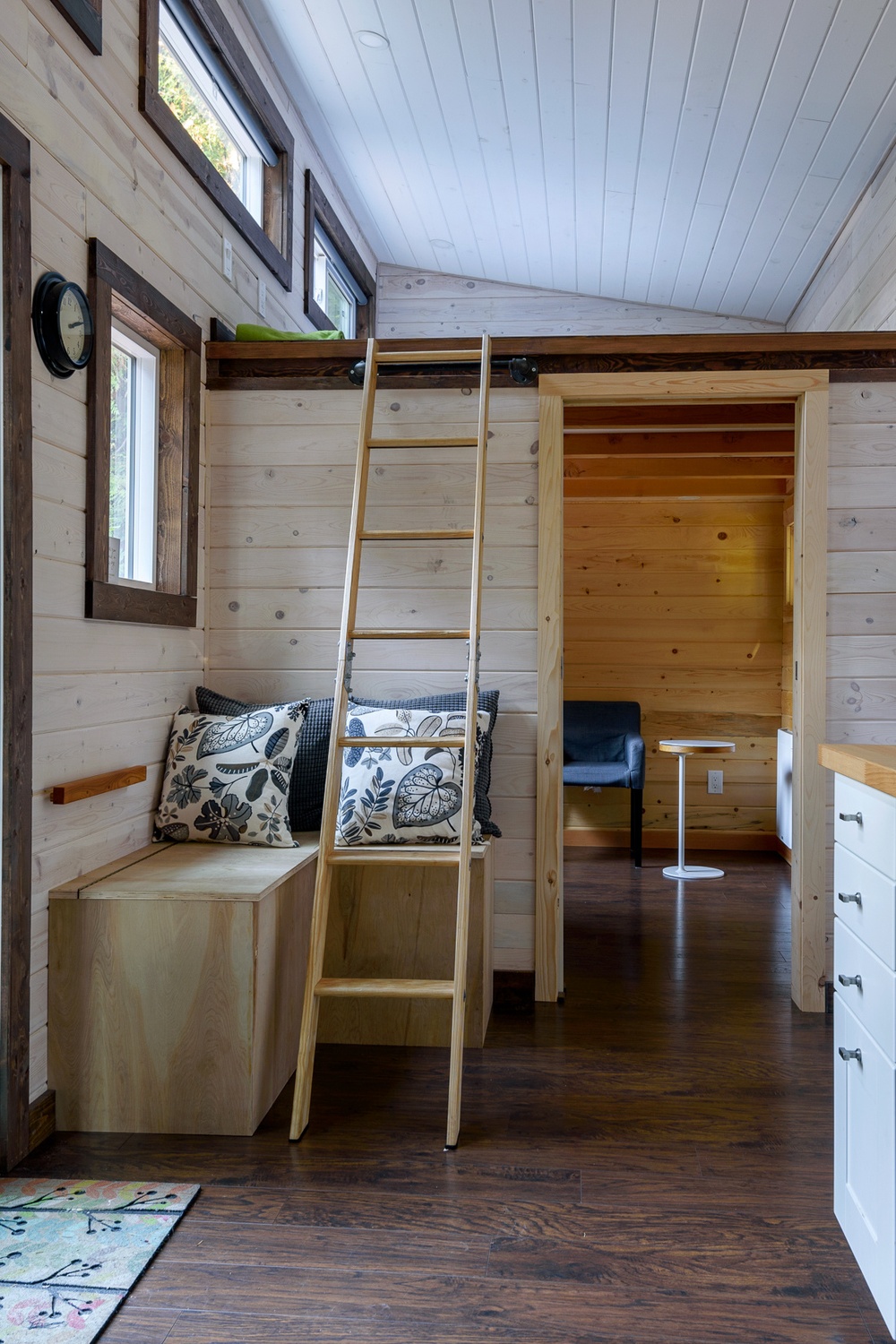
What You Need To Consider for Moving Into a Tiny House
Moving into a tiny house sounds simple at first, but you need to think through several practical details before you make the move.
Downsizing affects your daily routines, your finances, and even your relationships. When you plan carefully, you avoid common mistakes and create a space that actually works for you.
Budgeting for a Tiny Lifestyle
A smaller home does not always mean smaller costs. You still need to account for land, utilities, permits, and construction or purchase costs.
Many people forget about ongoing expenses like maintenance or parking fees.
Make a clear budget before you commit. Consider these key costs:
- Land or rental fees
- Utility hookups and monthly bills
- Permits and zoning requirements
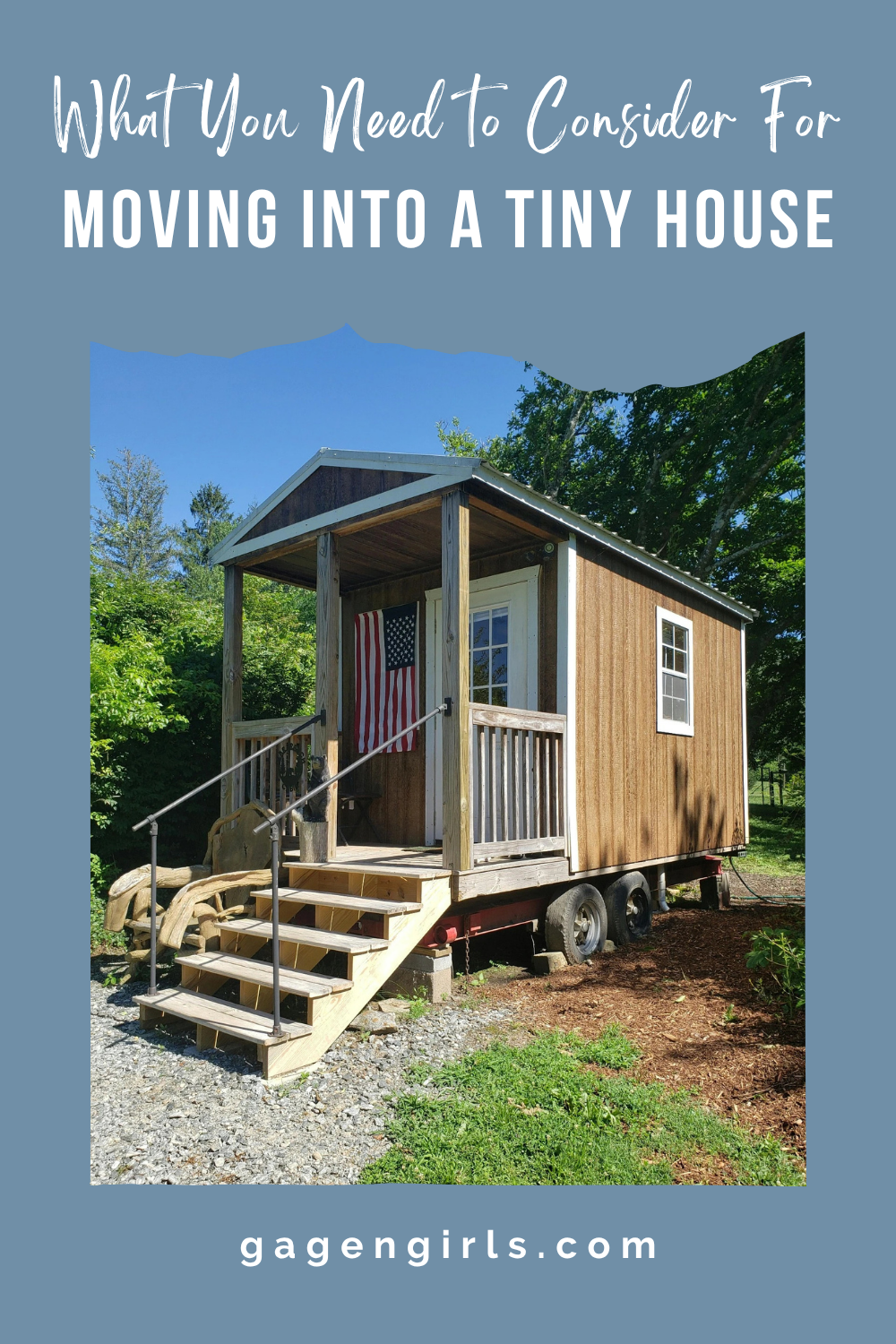
- Insurance and registration if your home sits on wheels
- Towing or transportation costs if applicable
- Storage solutions for overflow items
- Maintenance costs
Choosing the Right Design
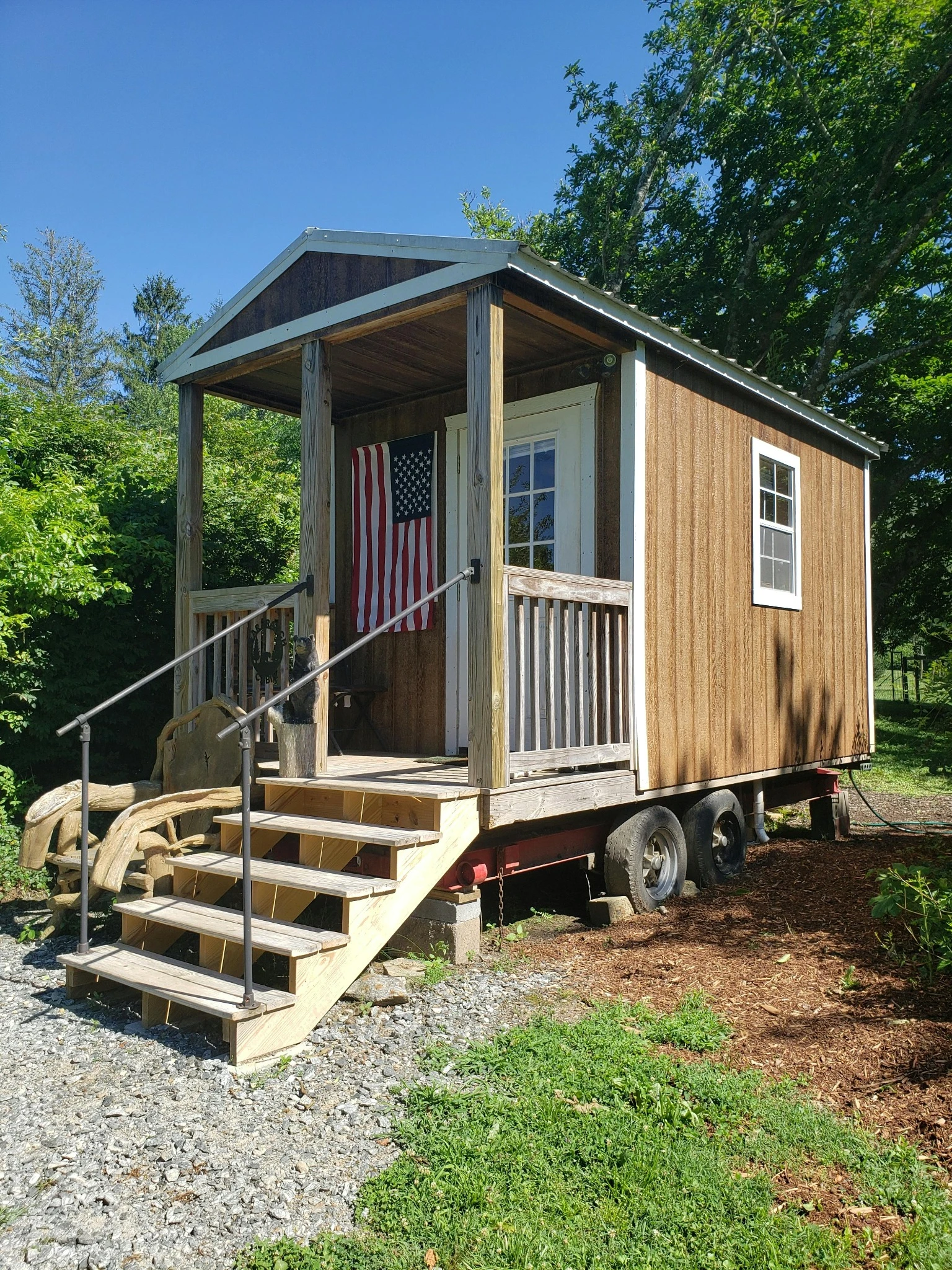
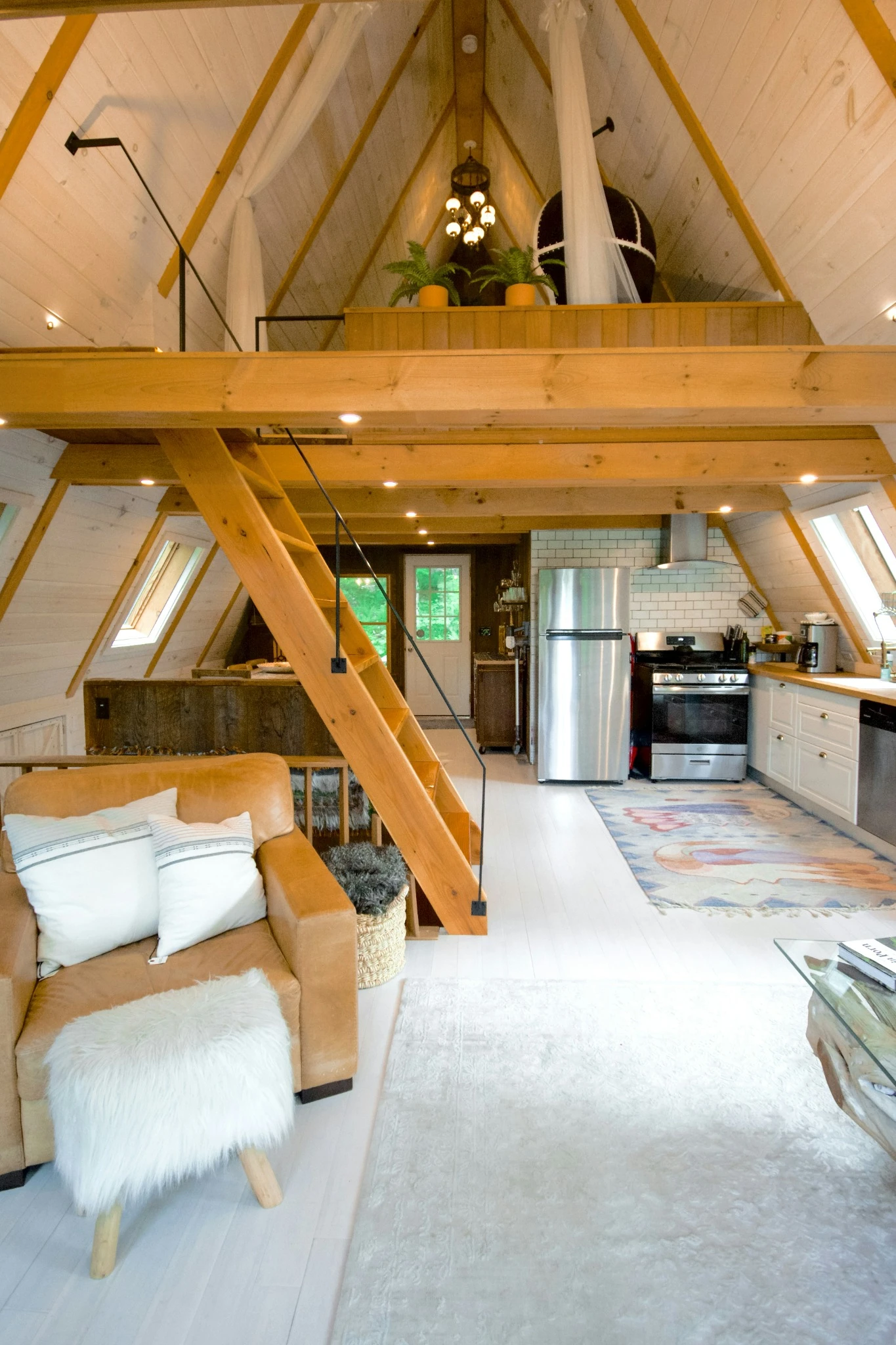
Your layout determines how comfortable your tiny house feels. You need to prioritize function over aesthetics in most cases. Think about how you cook, sleep, and work each day.
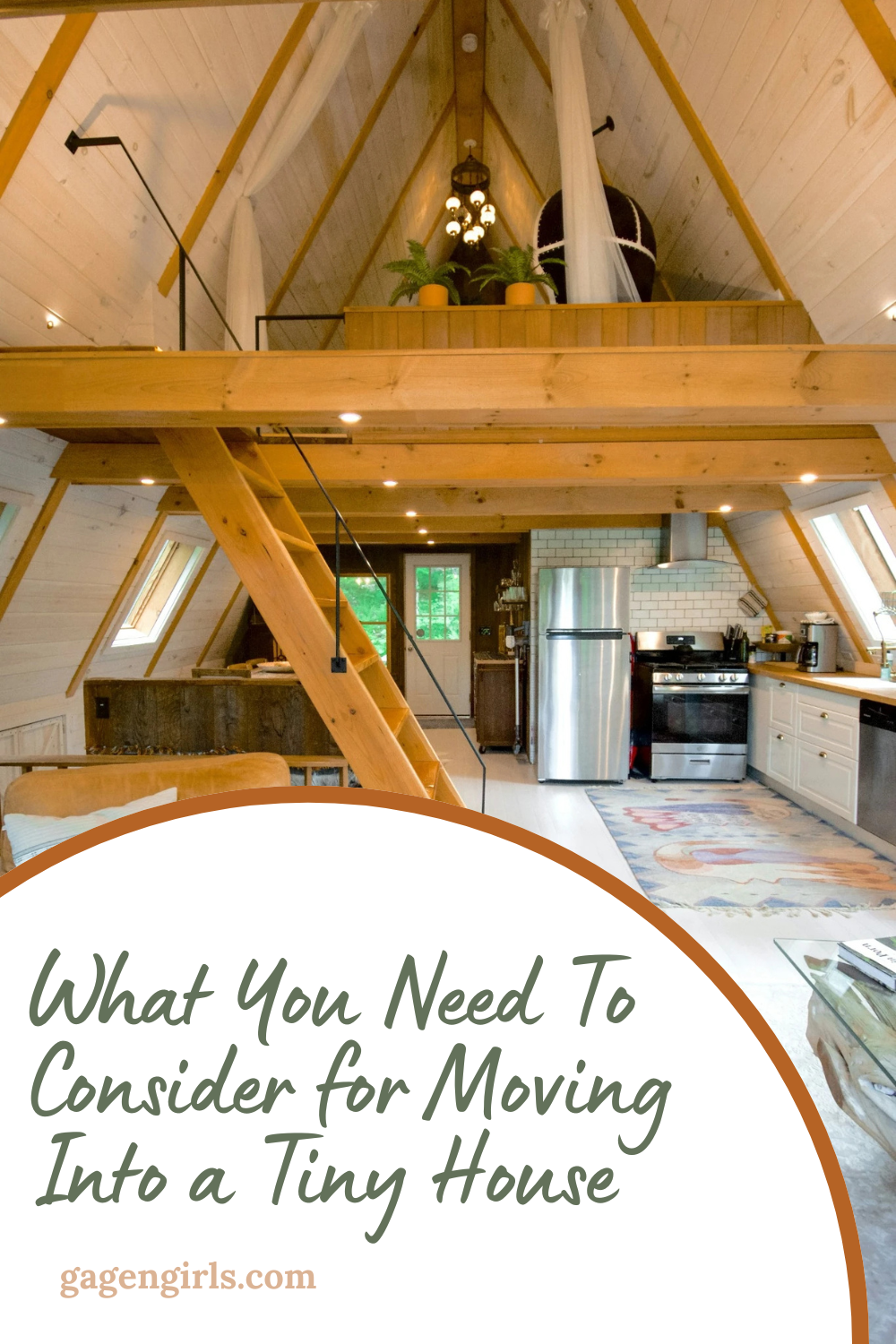
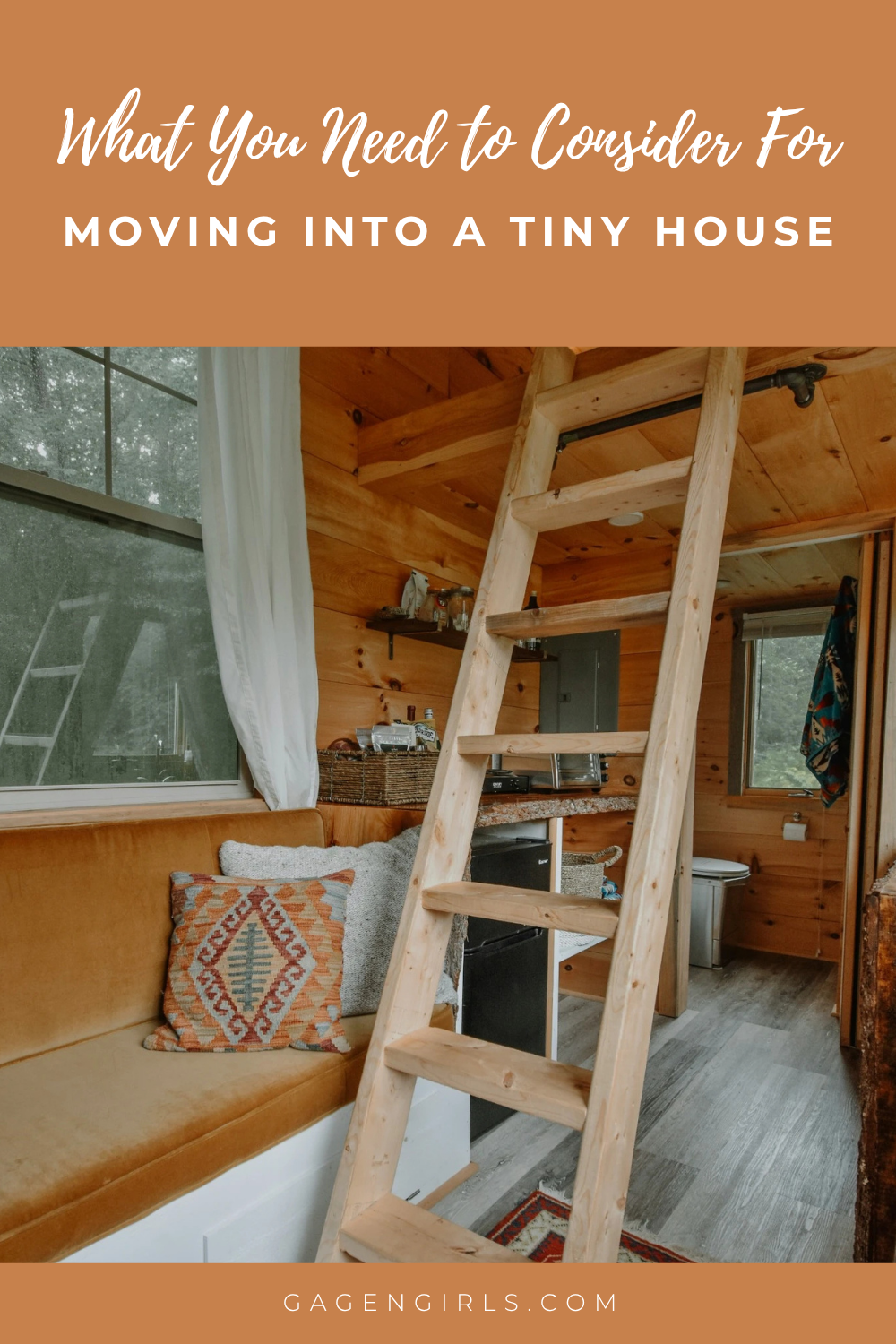
Focus on smart storage, flexible furniture, and multi-use spaces. A loft might save space, but it may not suit you if you hate climbing ladders.
If you deal with chronic pain, fatigue, balance issues, limited mobility, or health flare-ups, think carefully about how manageable that setup would feel long term. Even simple daily tasks like climbing into bed, carrying laundry upstairs, or crouching to reach storage can become frustrating over time.
Single-level tiny homes or designs with main-floor bedrooms may be a better fit for some people.
Finding the Right Spot
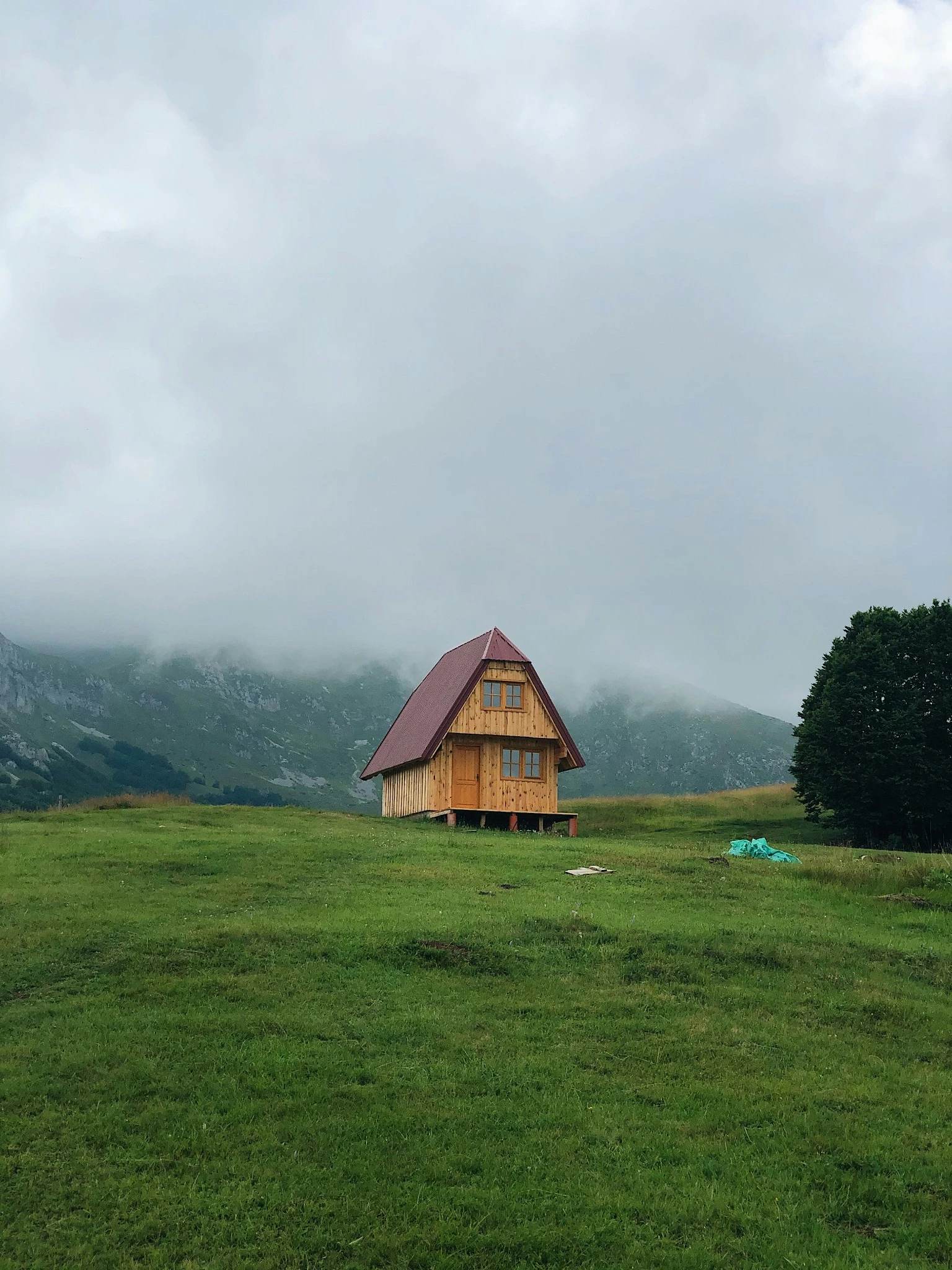
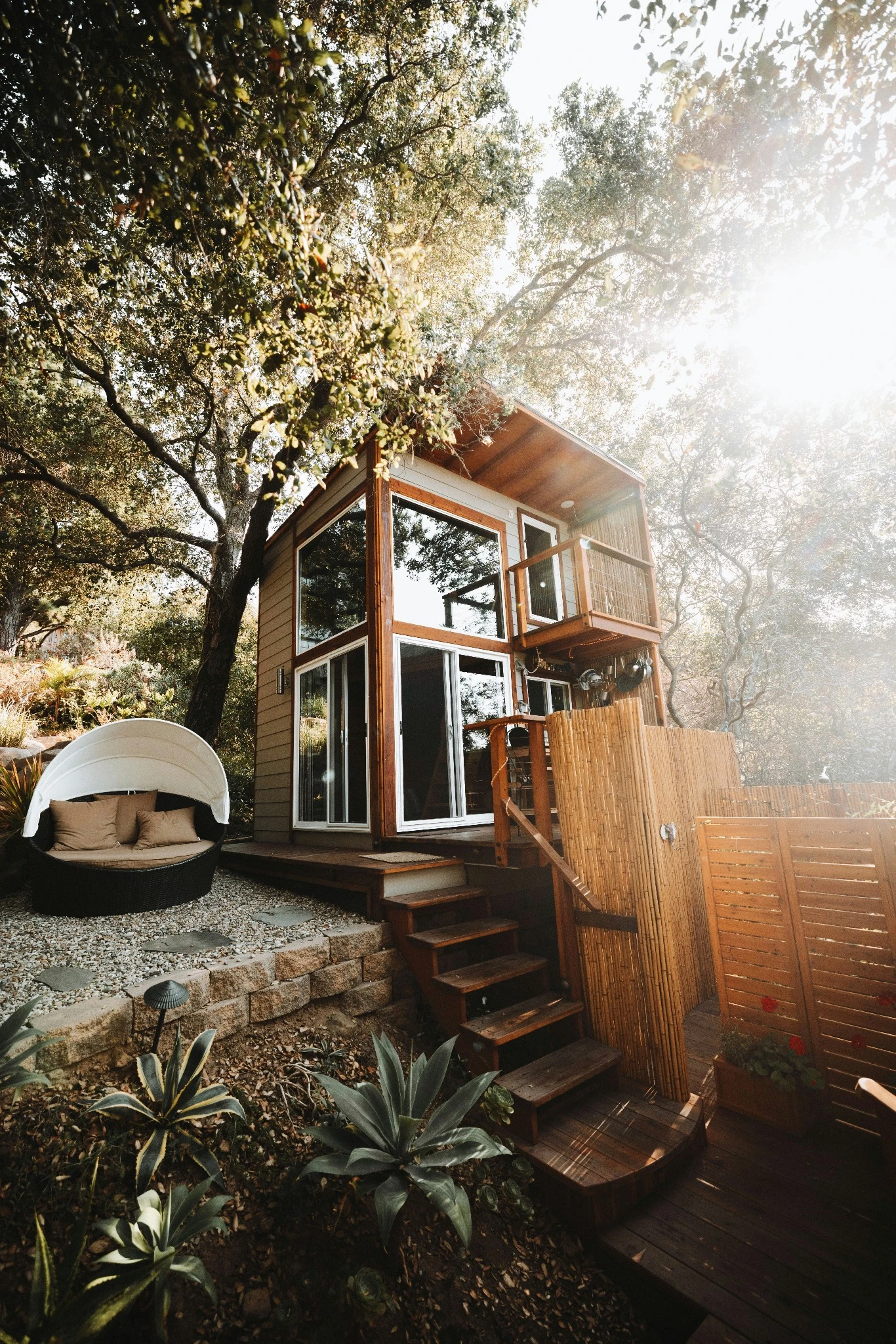
You cannot ignore zoning laws and local regulations when you choose a location for your tiny home. Some areas welcome tiny houses, while others restrict them heavily. Research rules early so you avoid costly surprises.
Also think about proximity to work, schools, and essential services. A remote area may lower costs, but it could add daily stress.
💌 Want easy recipes, fun crafts, and family-friendly ideas delivered right to your inbox? Join the Gagen Girls newsletter! You’ll get our latest posts, seasonal favorites, and exclusive freebies. Sign up today and never miss a thing!
Downsizing Your Belongings
You must reduce your possessions before you move in. A tiny house cannot hold everything you own.
Tiny homes force you to become intentional about what you keep.
That can feel refreshing if you’re tired of clutter. But it can also be emotionally difficult if you’re attached to collections, sentimental items, or “just in case” supplies.
Start early and sort items into clear categories.
- Keep only what you use regularly
- Donate or sell items in good condition
- Digitize documents and photos when possible
- Let go of duplicates and unnecessary extras
This process takes time, so do not rush it. You will feel more comfortable once you settle into a clutter-free space.
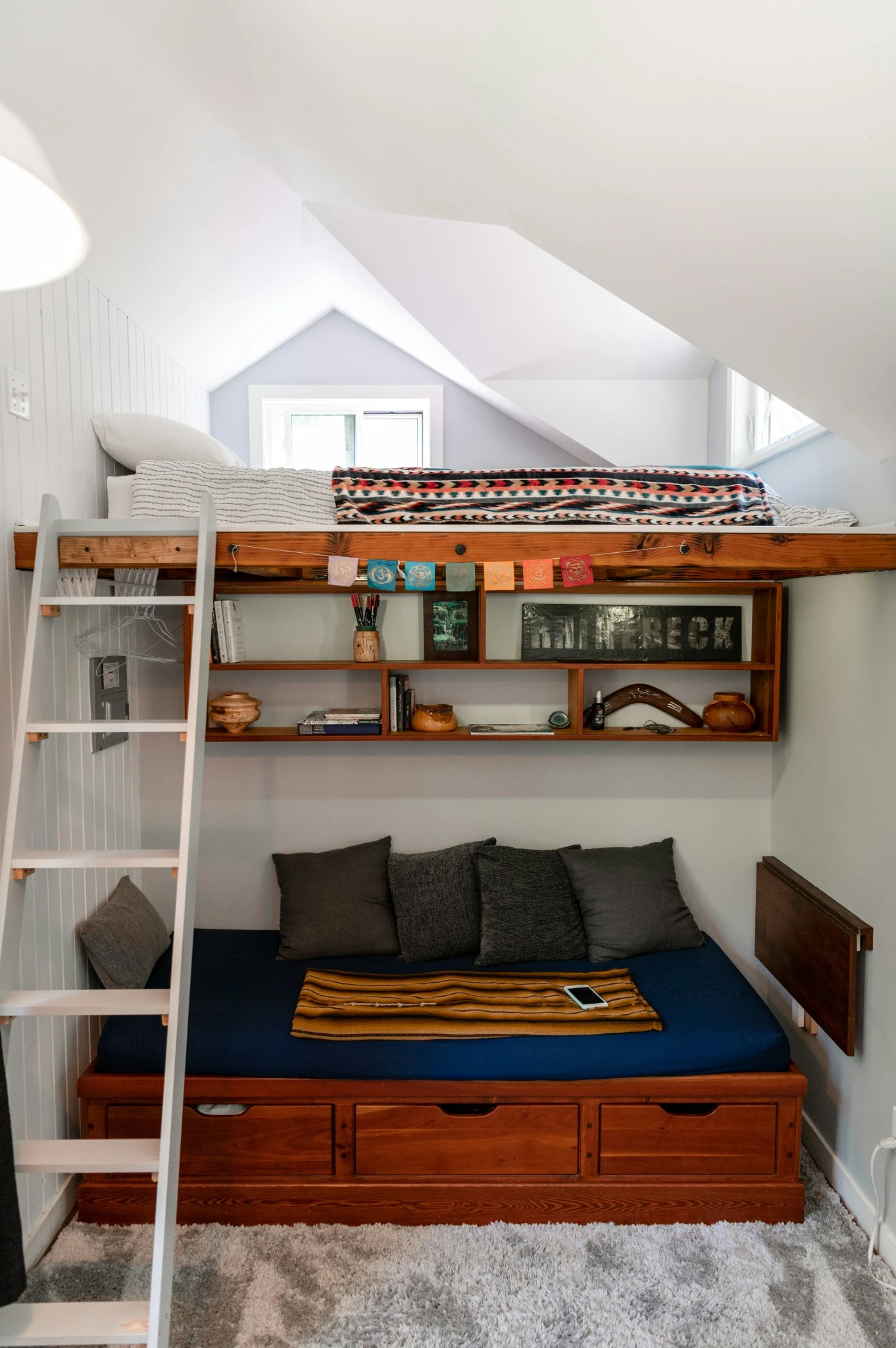
Most tiny homes rely on creative storage solutions like:
- under-bed drawers
- stair storage
- built-in shelving
- multi-purpose furniture
- vertical wall storage
Adjusting to Daily Life
Tiny living changes how you move through your day. You need to stay organized and maintain routines that keep your space functional. Small messes can quickly feel overwhelming.
Communicate clearly with anyone you live with. Shared spaces require respect and cooperation. When everyone understands expectations, daily life feels smoother.
You may spend more time outdoors, use community spaces more often, or simplify cooking and cleaning habits. Even grocery shopping changes because storage space is limited.
Many people discover that tiny living encourages them to slow down and become more intentional. Others realize they miss conveniences they once took for granted.
Neither reaction is wrong.
Privacy Can Be Challenging
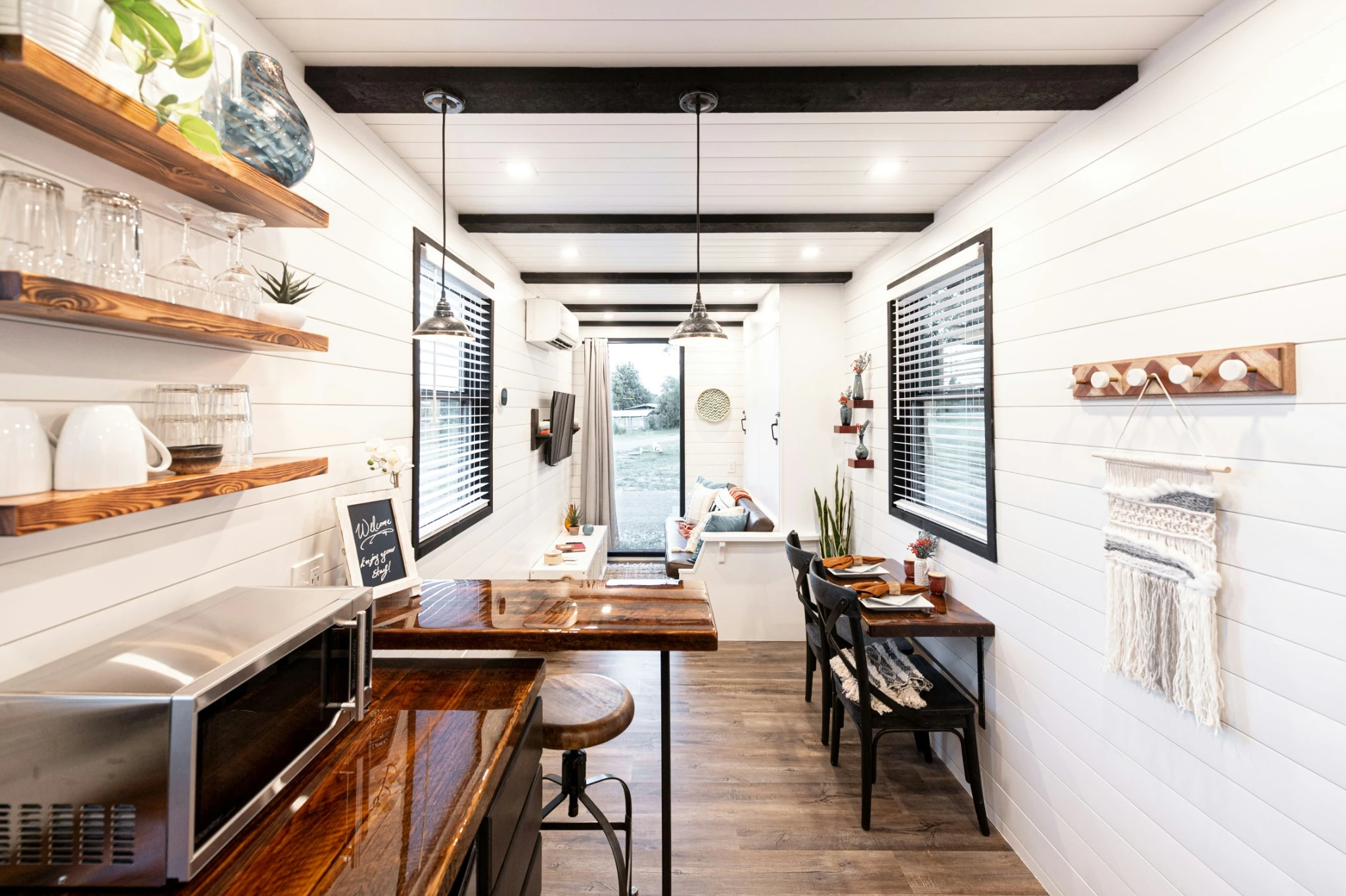
Tiny homes often blur the boundaries between living spaces. Your kitchen, workspace, bedroom, and living room may all exist within a few feet of each other.
That can feel cozy and connected, but it also means:
- less personal space
- fewer quiet areas
- limited guest accommodations
- more awareness of clutter and noise
If you live with a partner, children, or pets, those dynamics become even more important.
Utilities and Infrastructure
You need to plan how you will handle water, electricity, and waste. Some setups connect to traditional systems, while others rely on off-grid solutions.
Solar panels, composting toilets, and water tanks can reduce your dependence on utilities. Think about maintenance and reliability before you choose any system.
Simple setups often work better for beginners. When you understand how everything works, you avoid frustration and unexpected repairs.
Planning ahead for your tiny home gives you confidence and control during your transition. Stay realistic, stay flexible, and enjoy the process of simplifying your life.
More home and garden content to enrich your life:
- Home Sweet Home: How To Make Downsizing Fun for Your Kids
- Designing Shared Spaces That Actually Work for Families
- How To Decide Between an Ottoman and a Coffee Table