Designing Shared Spaces That Actually Work for Families
Sharing a home doesn’t mean sacrificing privacy or peace. When you live with kids, pets, and partners, finding a balance between togetherness and solitude requires intention.
Usually, the chaos stems from layout issues rather than clutter. By rethinking how specific areas function, you can start designing shared spaces that actually work for families without needing a major renovation.

Why Shared Spaces Feel Hard in Real Life
Shared spaces often struggle not because families are doing something wrong, but because the space was never designed to handle multiple needs at once. Noise, competing activities, and lack of clear storage create tension quickly.
Recognizing these pressure points helps you make smarter layout choices instead of constantly fighting the space.
Define Zones for Different Activities
Open floor plans look great in magazines, yet they amplify noise and distractions in real life. Creating distinct zones helps minimize friction. You might use area rugs or furniture arrangements to signal where play happens versus where quiet reading occurs.
These visual boundaries help kids understand expectations for each area. If you can designate a specific “quiet corner,” family members have a retreat when the main living area gets too loud.

Maximize Vertical Storage
Floor space is precious in a busy household. Getting items up off the ground clears pathways and reduces tripping hazards.
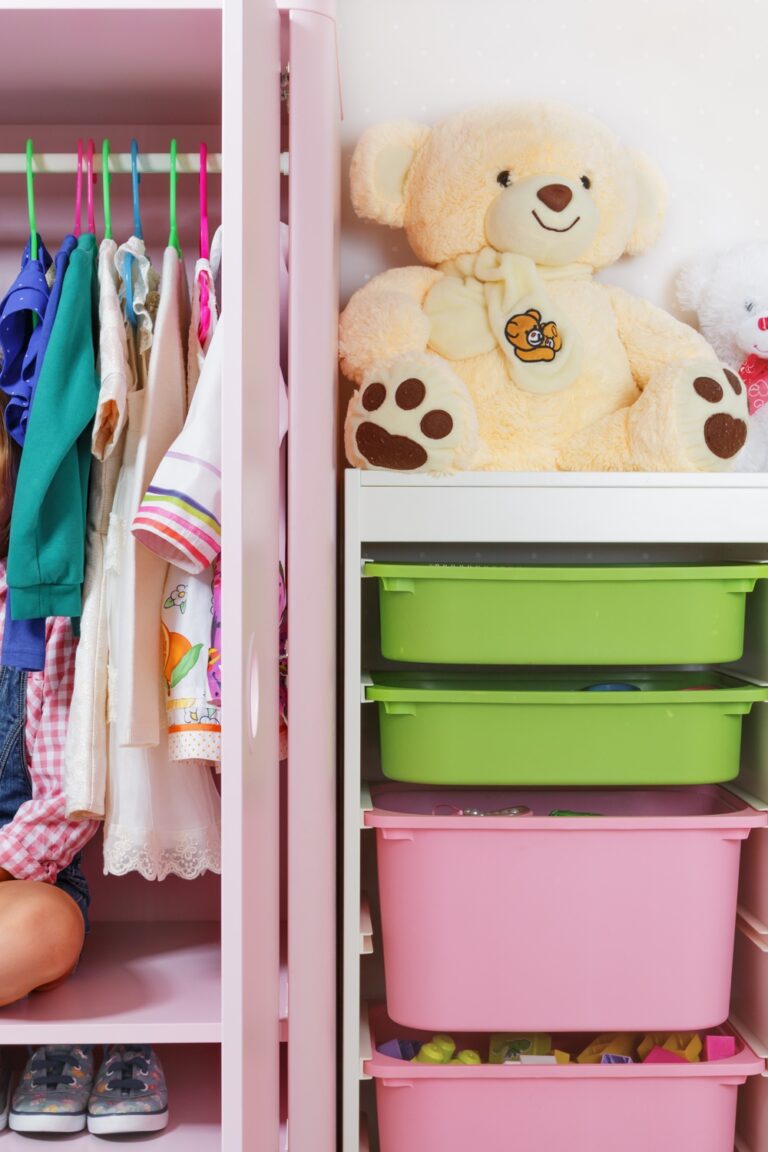
Tall shelving units or wall-mounted cabinets allow you to store seldom-used items high up while keeping toys or daily essentials within reach on lower shelves. This approach keeps shared areas functional for adults while remaining accessible for children.
💌 Want easy recipes, fun crafts, and family-friendly ideas delivered right to your inbox? Join the Gagen Girls newsletter! You’ll get our latest posts, seasonal favorites, and exclusive freebies. Sign up today and never miss a thing!
Rethink Bathroom Layouts
Morning routines can cause the biggest bottlenecks. If multiple people need to get ready simultaneously, a standard bathroom setup rarely suffices. Some families find that connecting bedrooms through a shared washroom offers a practical solution.
You can weigh the pros and cons of Jack-and-Jill bathroom layouts to see whether that design might ease your morning traffic jams. Even simple changes, like separating the vanity area from the shower, allow two people to use the space at once.

Choose Durable Multi-Functional Furniture
Furniture in high-traffic zones takes a beating. Selecting pieces that serve double duty keeps the room flexible.
An ottoman with hidden storage hides blankets or toys, while a dining table with a durable surface doubles as a homework station or craft table. Stain-resistant fabrics save you from constant worry about spills. When furniture works harder, the room feels less crowded and better able to handle daily life.

Small Changes That Improve Shared Spaces
You could add a short bulleted list like:
• Swapping a coffee table for an ottoman with storage
• Using baskets or bins to contain everyday clutter
• Adding task lighting to separate work and play zones
• Choosing washable or wipeable materials in shared areas
A home should adapt to the people living inside it. Small adjustments in layout and storage yield the biggest improvements in daily comfort.
Focus on creating zones that respect individual needs while fostering connection. Designing shared spaces that actually work for families is about prioritizing function over perfect aesthetics so everyone feels at home.
Every family uses their home differently, and shared spaces should reflect that reality. A living room might need to function as a playroom during the day and a place to unwind at night. When you design with flexibility in mind, shared areas become supportive rather than stressful.
More Home Design and Decor Posts You Might Like:
- Transforming a Room with Simple DIY Upgrades
- Clever Kids Closet Upgrades: 5 Things To Add
- Magical Decorations Your Bathroom Would Love
- 4 Ways To Turn Your Bedroom Into a Sleep Sanctuary
- How To Decide Between an Ottoman and a Coffee Table
- Creative Wall Decor Ideas To Refresh Your Home
- 4 Ways To Create a Welcoming Entryway in Your Home