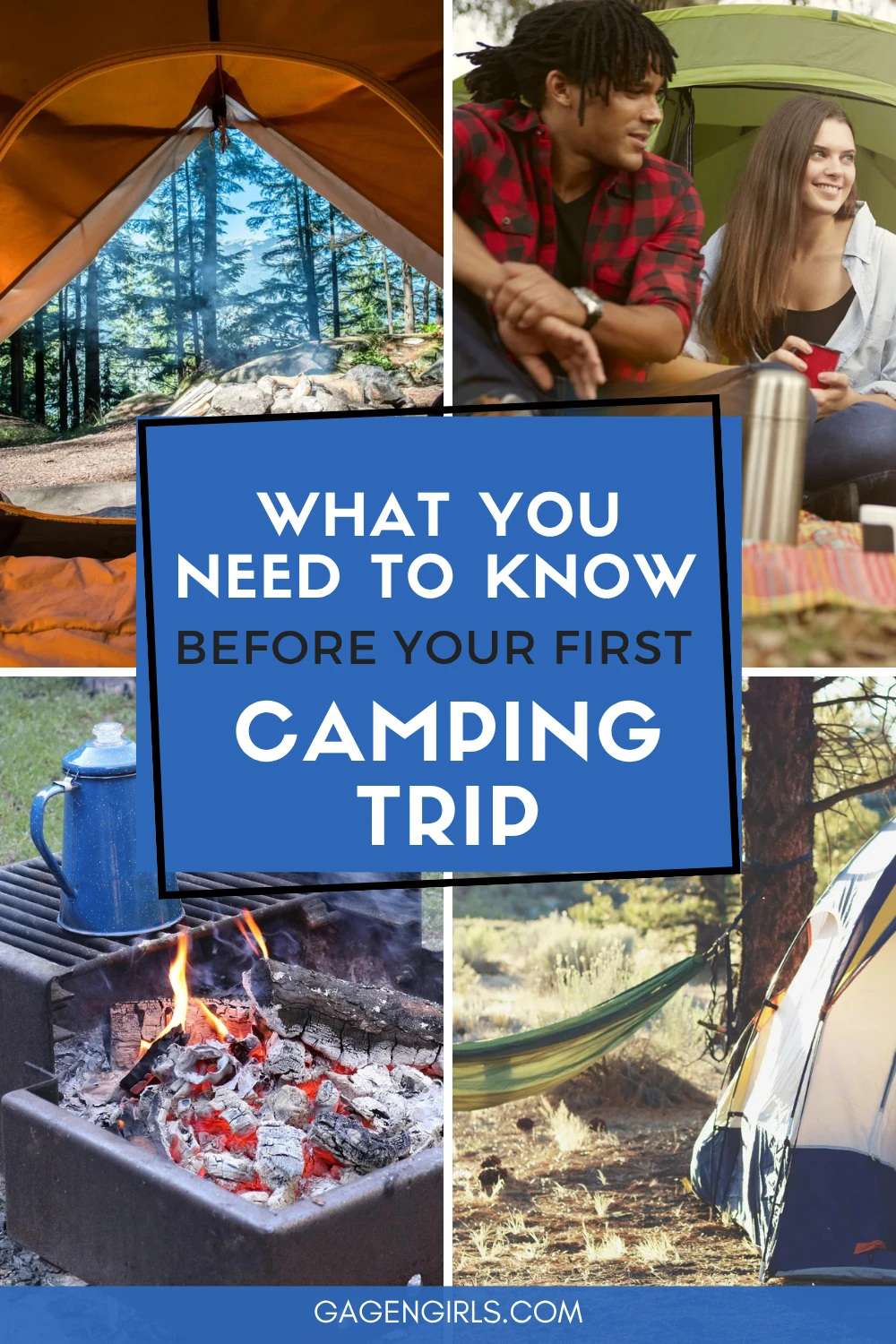
Beginner Camping Tips: Everything You Need to Know Before Your First Camping Trip
You have decided to take your first trip camping. This is a super exciting time but you’re a little bit worried too.
Camping gives families a chance to slow down, unplug from everyday distractions, and make memories around the campfire that often become favorite family stories.Spending time together in the great outdoors builds beautiful memories the whole family will carry with them forever.
You feel like you don’t even know where to start or what you should even do before you go camping. If you are finding yourself unsure of where to start when preparing for your upcoming camping trip, I have everything you need to know before you get to your campsite!
Beginner Camping Tips: Everything You Need to Know Before Your First Camping Trip
Practice Setting Up Your Gear at Home
Before you head to the campground, set up your tent in your backyard or living room. Practice inflating air mattresses, setting up camp chairs, and learning how your camping stove works. It is much less stressful to figure things out at home than when you’re trying to pitch your tent before dark.
Make reservations for your campsite
If you are going camping during peak season, you will need to make a reservation for your campsite. Campsites do fill up, and you could end up with a spot far away from the bathrooms if you don’t plan ahead!
Get to your campsite before dark
Many campsites close their gates before dusk, so make sure that you plan ahead, so you don’t miss out on your camping trip!
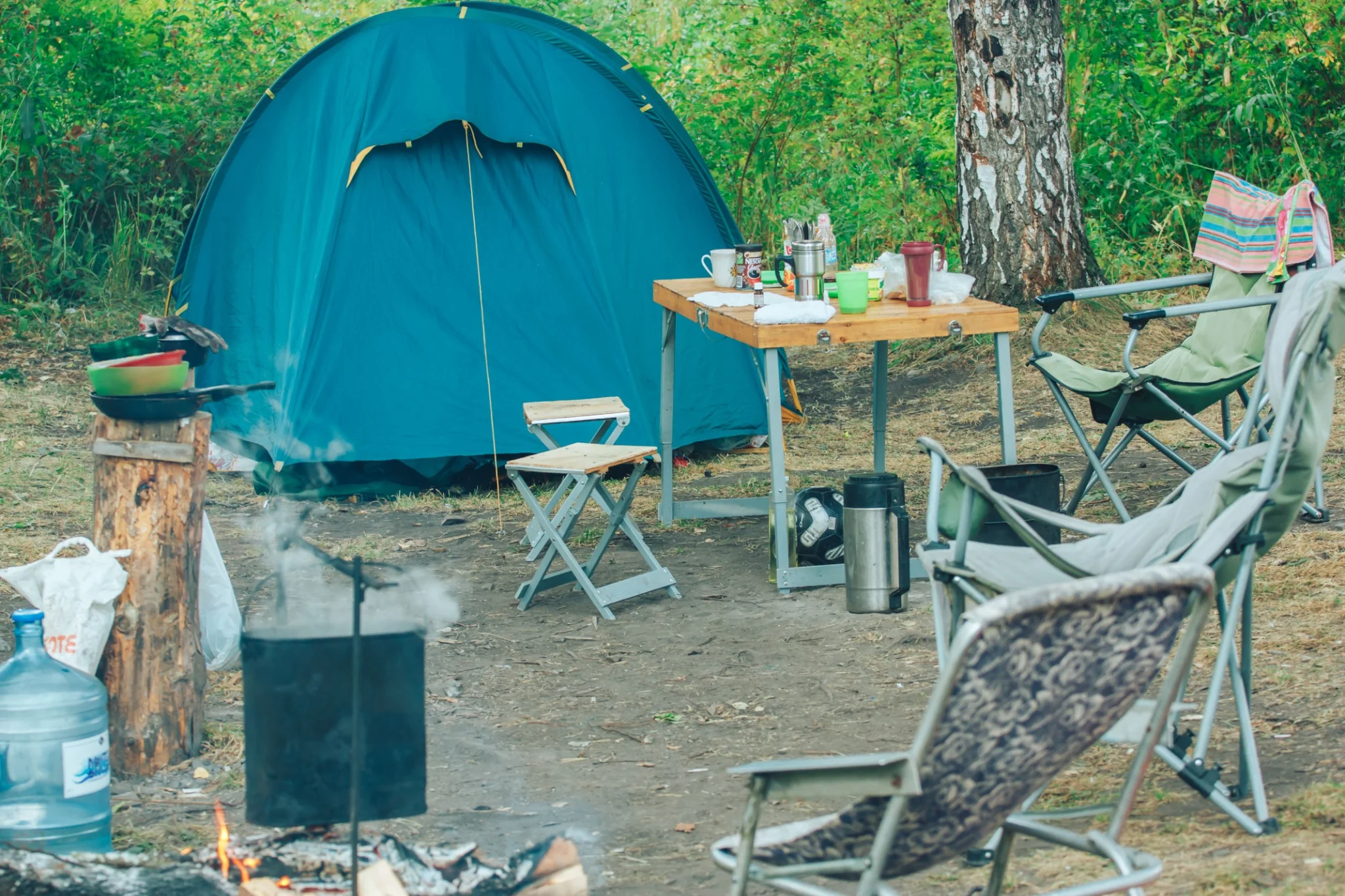
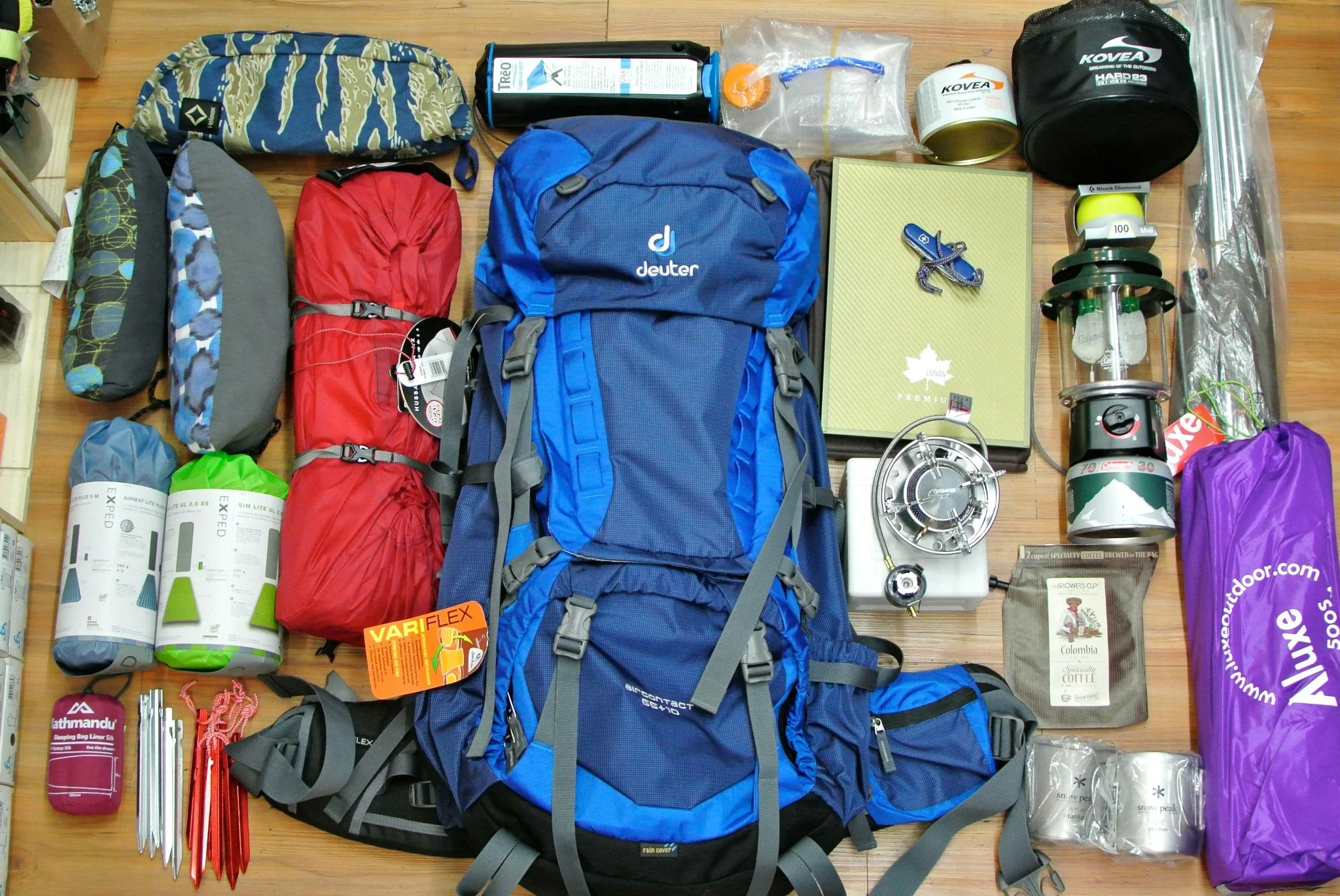
Make sure you have camping essentials before you come
In a pinch, you may be able to run to a store or go back home if you’re close. But don’t depend on this to be your fallback plan! Here are a few things to make sure you have:
- Tent and tent stakes
- Sleeping bags and pillows
- Flashlights or lanterns
- First-aid kit
- Cooler and ice
- Food and snacks
- Water bottles
- Camp chairs
- Firewood and fire starters
- Toiletries
- Extra clothes and rain gear
- Trash bags
- Bug spray
- Sunscreen
- Tarp
- Rope
- Doormat (such a great way to help keep the interior of your tent clean!)
Prepare for Leave No Trace camping
Many campsites will fine you if you leave trash or food out after dark. This will not only attract animals to your campsite but could ruin your whole trip! Make sure you bring trash bags and other storage tools to keep items off your campground after dark or away.
Freeze water for your cooler
You never want to run out of water while you’re camping, but you can freeze water bottles to serve as ice packs for your cooler! This will also help make sure you have extra water in case you need it during your trip!
Pack extra food
Running out of food after the gates are closed is the worst-case scenario. While some campsites have snack bars and vending machines, don’t count on this to feed you during your trip.
You will need to plan out your meals and bring plenty of food for your campsite. Keep in mind how you will store leftovers as well as the food you have yet to prepare.
💌 Want easy recipes, fun crafts, and family-friendly ideas delivered right to your inbox? Join the Gagen Girls newsletter! You’ll get our latest posts, seasonal favorites, and exclusive freebies. Sign up today and never miss a thing!
Don’t store food in your tent
Don’t plan on storing food in your tent. It is far better to store it on the floor of your car than in your tent.
Many campsites have bear canisters or other food storage options that you can use if you don’t have room in your car. Storing food in your tent is not enough to keep wildlife away!
Don’t depend on your phone
Some campgrounds have little or no cell service. Download maps ahead of time, print reservation information, and let family know where you’ll be staying before you leave home.
Expect Things to Go Wrong
Maybe you’ll forget something. Maybe dinner won’t turn out exactly as planned. Maybe it rains.
That’s okay.
Some of the best camping memories come from the little mishaps and unexpected adventures. Camping isn’t about perfection. It’s about slowing down, spending time together, and making memories.
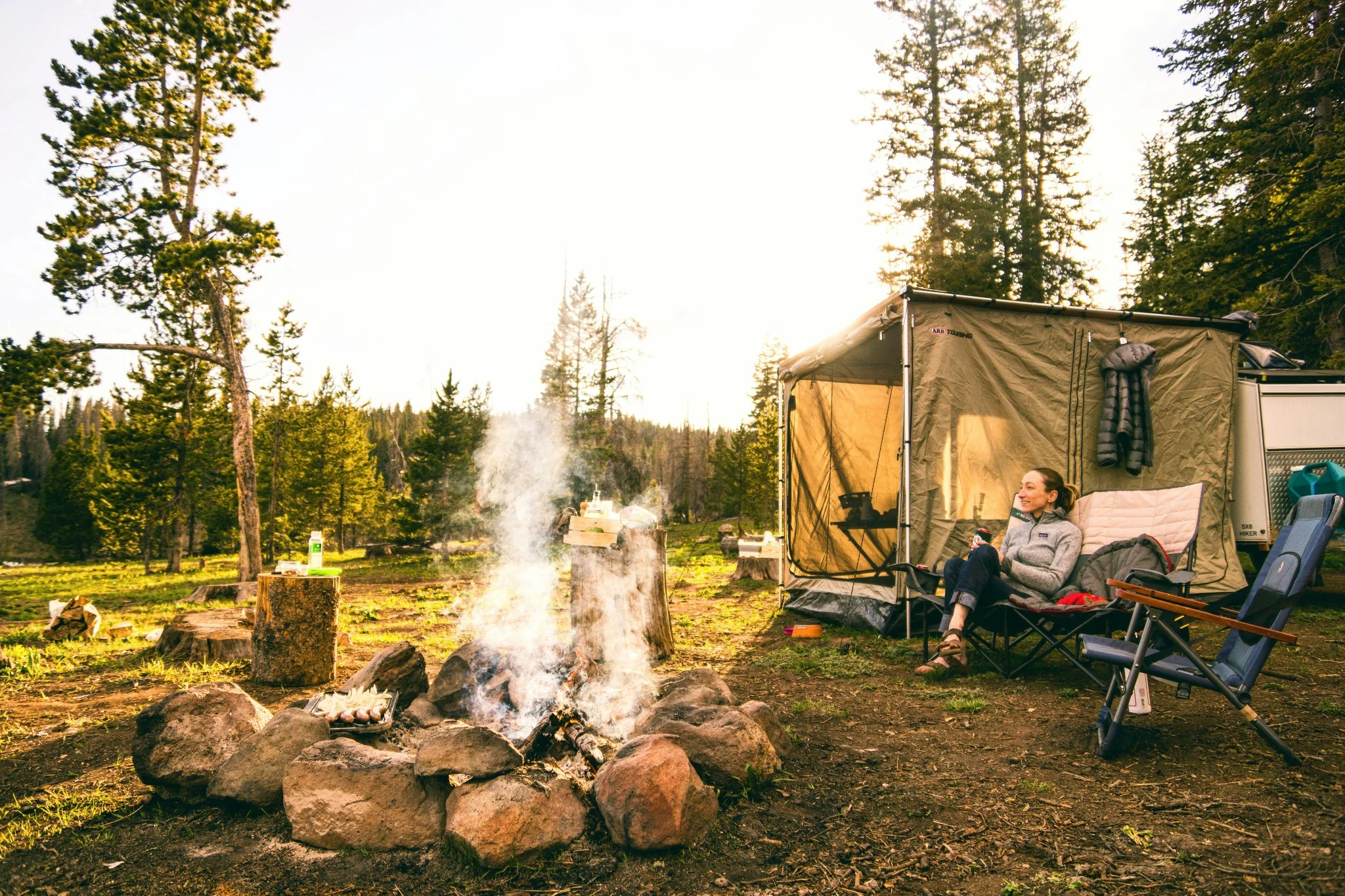
Tips for Camping for the First Time
- Choose a campground with amenities that align with your needs and preferences (e.g., bathrooms, showers, electricity, proximity to hiking trails).
- Familiarize yourself with the layout of the campground and set up your tent in a spot that is flat and away from potential hazards such as nearby bodies of water or low-hanging branches.
- Pack appropriate clothing and gear for the weather and activities you’ll be participating in. This includes layers, rain gear, a first-aid kit, and a camping stove or grill for cooking meals.
- Practice proper campfire safety by clearing away flammable materials and never leaving the fire unattended.
- Leave the campsite better than you found it by properly disposing of trash and any leftover food to prevent attracting wildlife.
- Don’t forget to have fun and enjoy the outdoors! Plan activities such as hiking, fishing, or stargazing to make the most out of your camping trip.
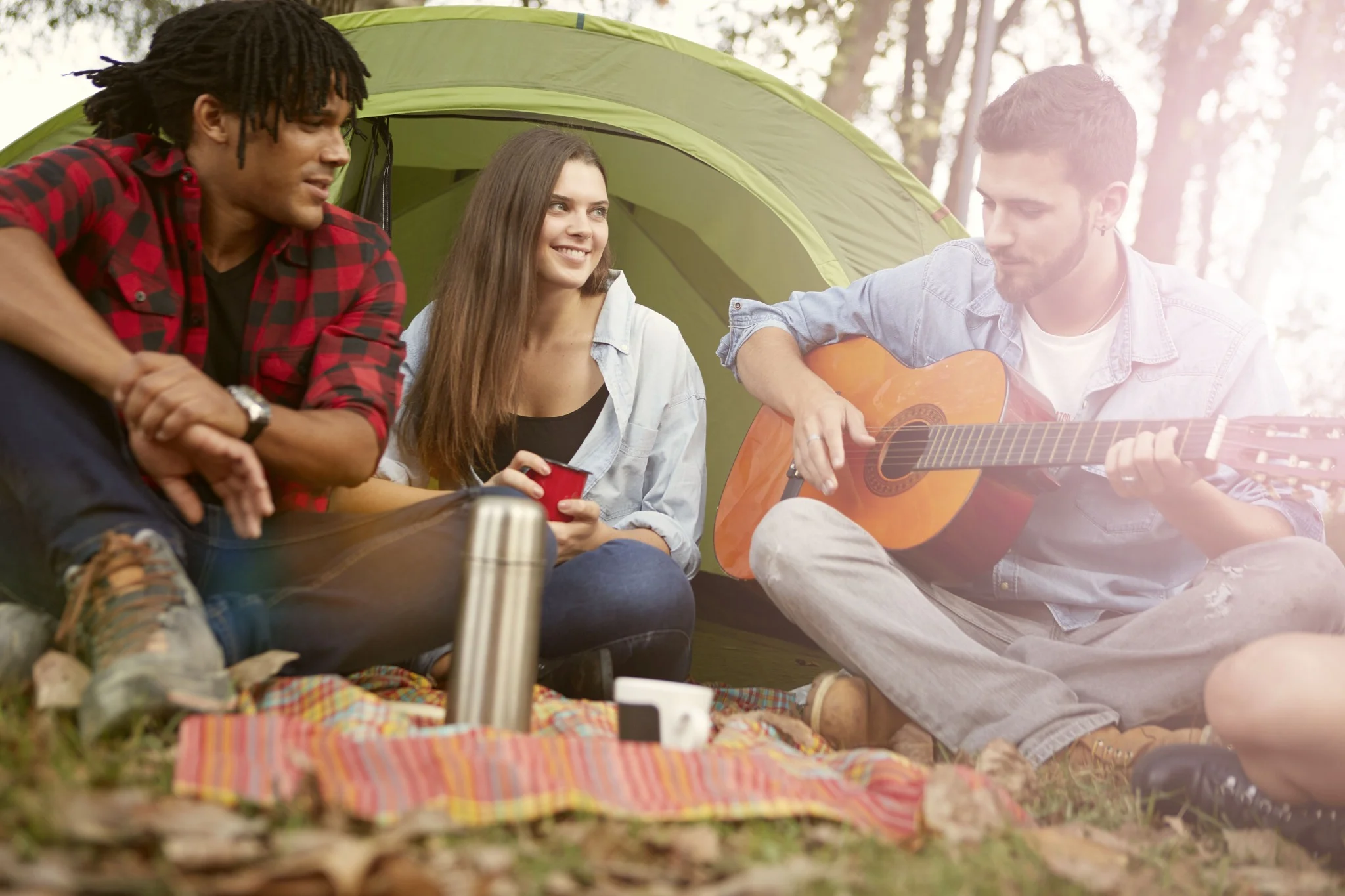
FAQs About First Time Camping
How do I choose a campground?
Consider your needs and preferences, such as amenities (bathrooms, showers, electricity), proximity to hiking trails or other activities, and reservations or first-come first-serve options. Research online or ask for recommendations from friends or family who have camped before.
What should I bring for a camping trip?
In addition to the basics (tent, sleeping bag, and camping chairs), make sure to pack appropriate clothing and gear for the weather and activities you’ll be participating in. This includes layers, rain gear, a first-aid kit, and a camping stove or grill for cooking meals.
What are some important camping safety tips?
Practice proper campfire safety by clearing away flammable materials and never leaving the fire unattended. Be aware of your surroundings to prevent injuries, such as knowing how to properly handle a hiking or fishing tool and being cautious of wildlife. Leave the campsite better than you found it by properly disposing of trash and any leftover food.
What if I have never gone camping before?
Don’t worry! It’s always a learning experience for first-time campers. Research and ask for advice from experienced campers, properly plan and pack for the trip, and most importantly, have an open mind and positive attitude to make the most out of your camping experience.
What is the best type of camping for beginners?
Car camping is usually the best option for first-time campers because you have easy access to your vehicle, extra supplies, and more amenities than backcountry camping.
There are definitely some basics you need to know before taking your first trip camping. Hopefully, this has given you some starter tips to get you prepared for your first camping trip.
Need more hands on help? Both the Discovery Ambassador Program at Ontario Parks and the Learn to Camp Programs from Parks Canada provide learning opportunities including some overnight camping trips with supervision and assistance from experts.
Learn more ways to make camping easier and more fun here.