Creative Ways to Make Your Craft Room Cozy and Functional
There’s something special about having a space set aside for creativity. Your supplies have a dedicated home, favorite projects can be displayed, and works in progress have room to grow. With a comfortable, practical setup, a craft room can become a place where you genuinely enjoy spending time.
You don’t need a picture-perfect studio or an enormous dedicated room, either. Thoughtful storage, good lighting, comfortable furniture, and a few personal touches are all simple cozy craft room ideas that can help you create a space that works for the projects you actually enjoy making.
Decide What Kind of Crafting Happens Here
Before choosing shelves, storage, or artwork, think about what you actually enjoy making in the room. A sewing setup calls for broad work surfaces and easy access to fabric, thread, and tools.
Scrapbooking may work best with papers, stickers, and embellishments stored in drawers beside the table so you aren’t constantly crossing the room to find what you need.
Your hobbies may change over time, too, so leave a little flexibility in the room for something new. A spare drawer, an adjustable shelving system, or space to add another small work surface can make it easier for the room to grow along with your interests.
If your craft room serves more than one purpose, think about that as well. You may need space for wrapping gifts, working on projects with the kids or grandkids, taking photos, or storing seasonal supplies.
Planning around the way you really use the room will make it much more functional than designing it around an idealized version of what a craft room “should” look like.
Give Your Worktable Room to Breathe
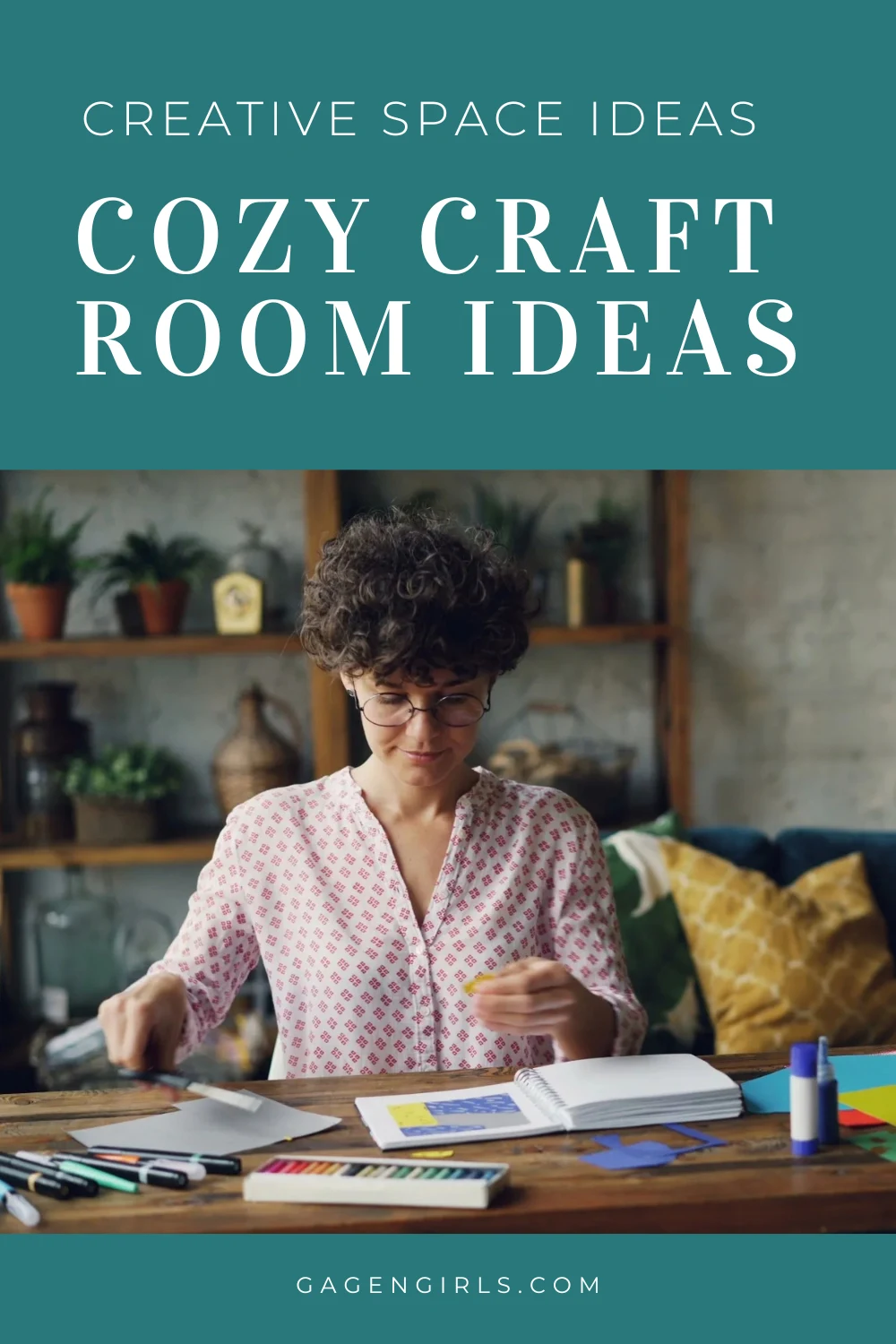
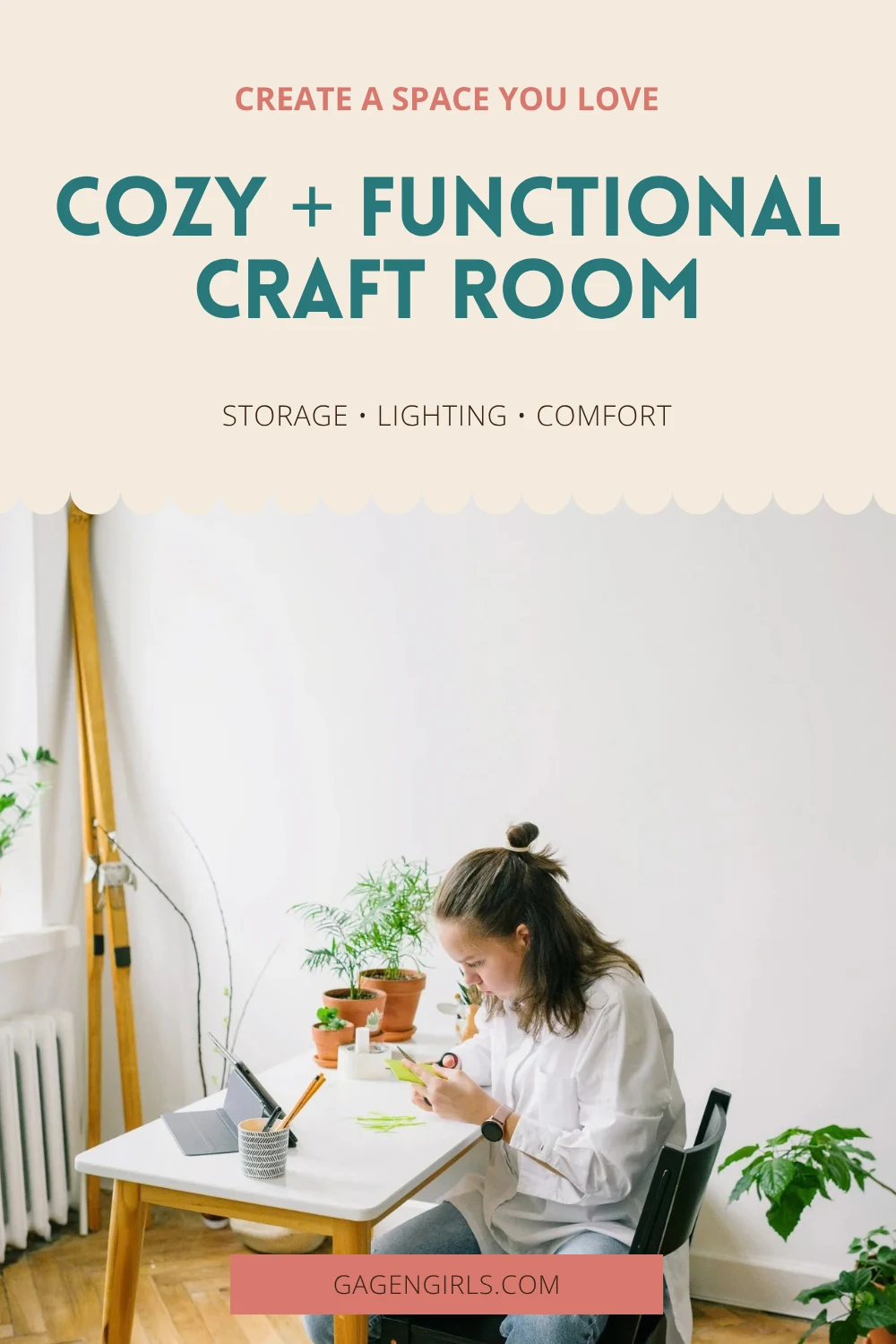
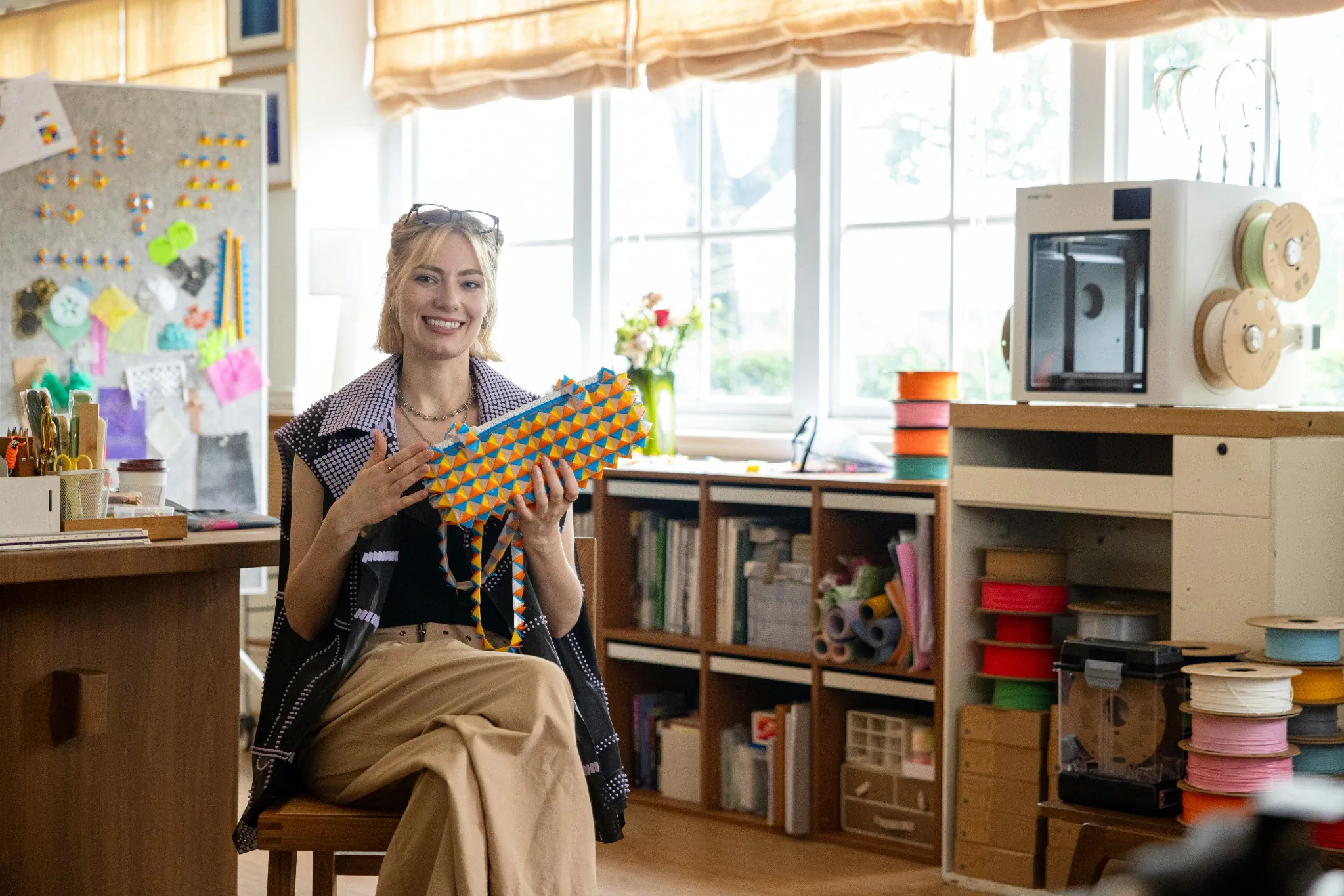
A clear worktable makes it easier to settle into a project without having to move yesterday’s supplies out of the way first.
Leave enough surface area for your materials, tools, and a project in progress so you can pause when needed and return later without starting from scratch. That little bit of breathing room can make even short crafting sessions more manageable.
Keep the items you use most within easy reach, but avoid covering the entire table with supplies. A small tray can hold scissors, adhesives, and cutting tools away from the primary work area. You can also tuck a small cart beneath or beside the table for extra materials.
The furniture around the table matters, too. Choose a chair that supports the way you like to work, and leave enough clearance behind it to pull it out comfortably and move around without bumping into shelves or storage bins.
If you switch between different types of projects, consider which ones require you to sit and which are more comfortable to do while standing. The right table height and a supportive chair can make a big difference when you’re spending a longer stretch of time creating.
If you sometimes invite friends or family to create with you, these tips for setting up a crafting party can also help you think about comfortable workstations, lighting, and keeping supplies within easy reach.
Use Convenient Storage for Your Supplies
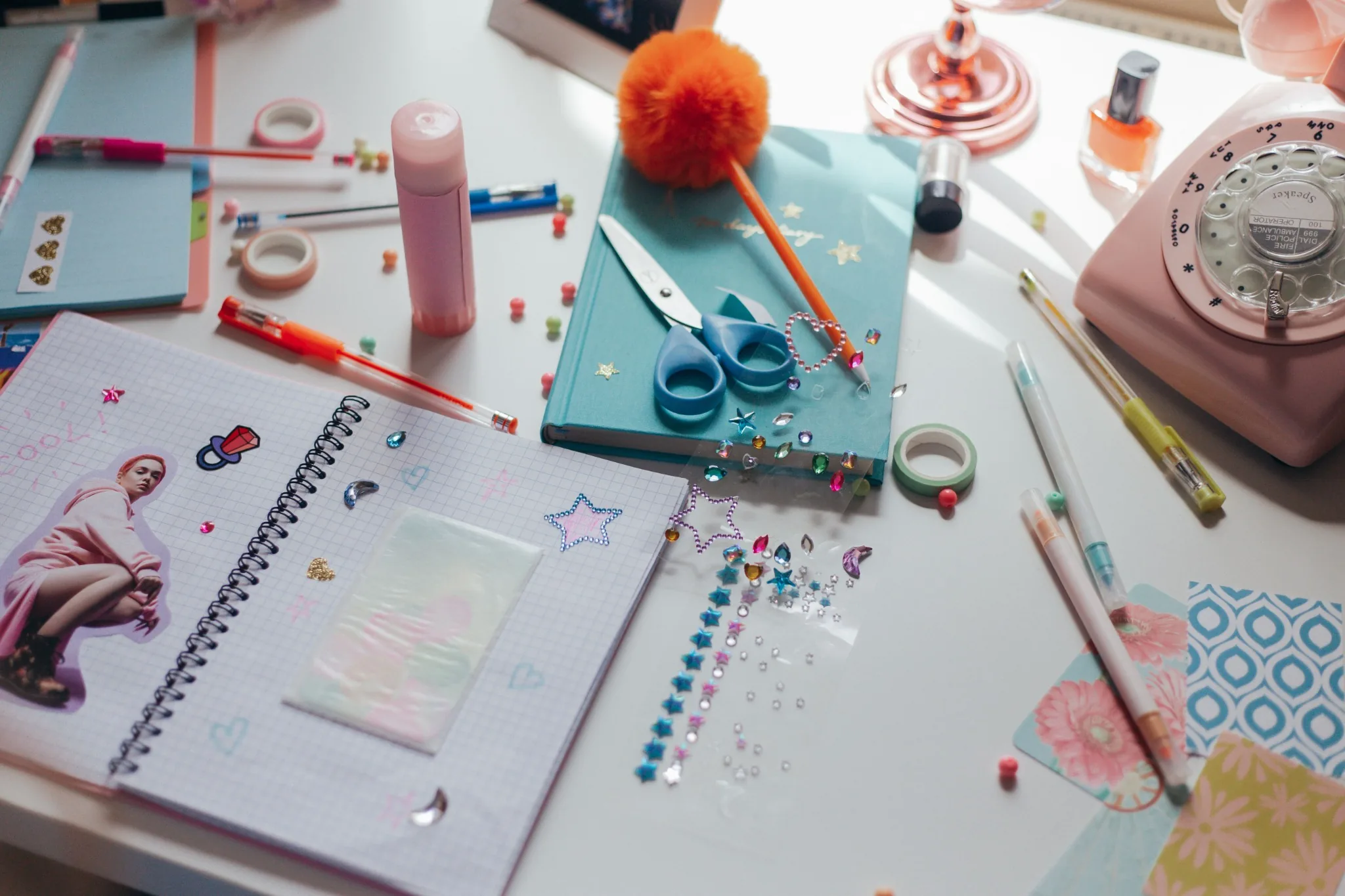
Organized storage shouldn’t turn crafting into a scavenger hunt. Rather than spending 15 minutes searching through plastic bags or cluttered desk drawers, give frequently used supplies dedicated places that are easy to reach.
Closed cabinets are useful for supplies that aren’t particularly decorative. They can hide packaging, backup supplies, and mismatched containers while keeping the room feeling calm and organized.
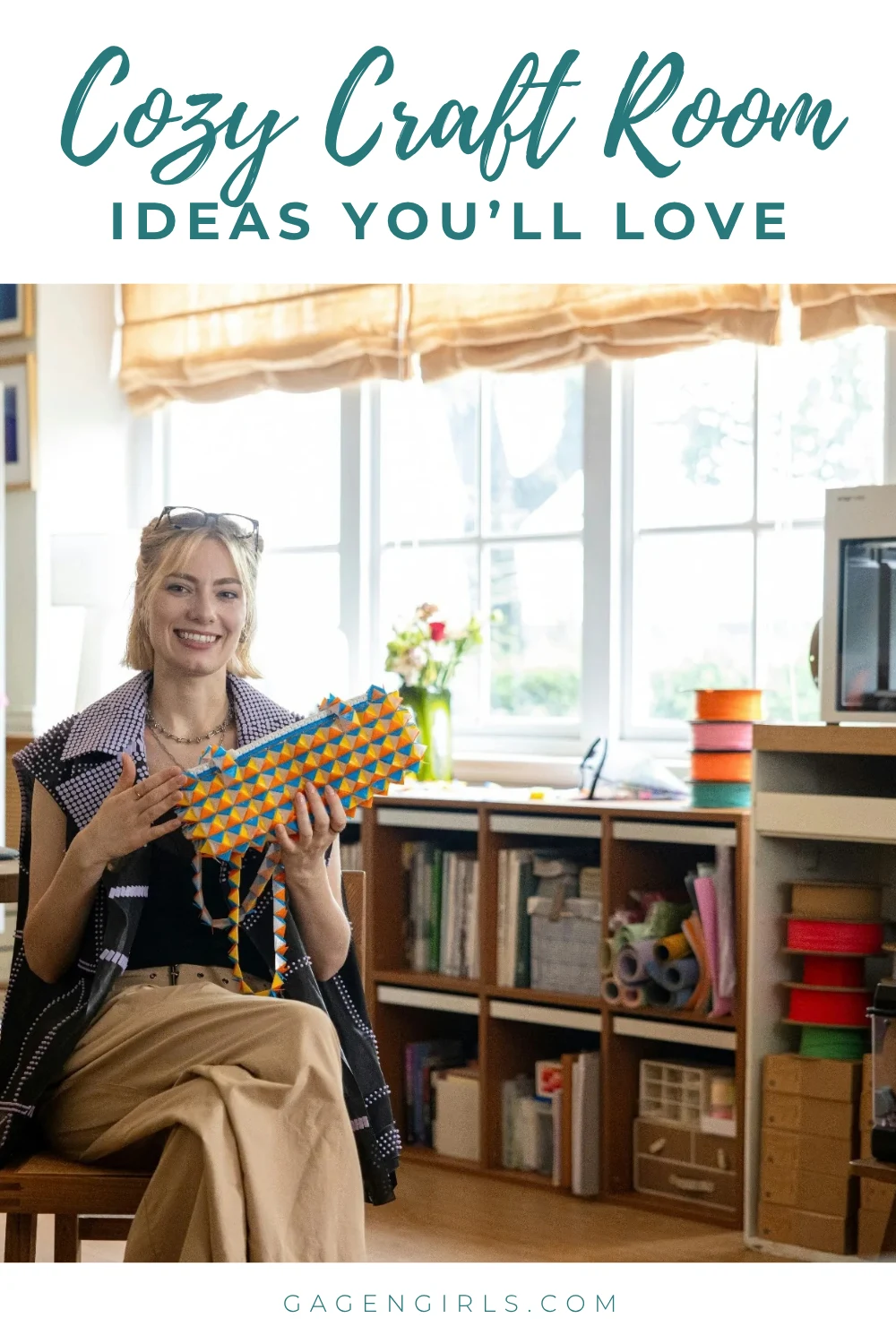
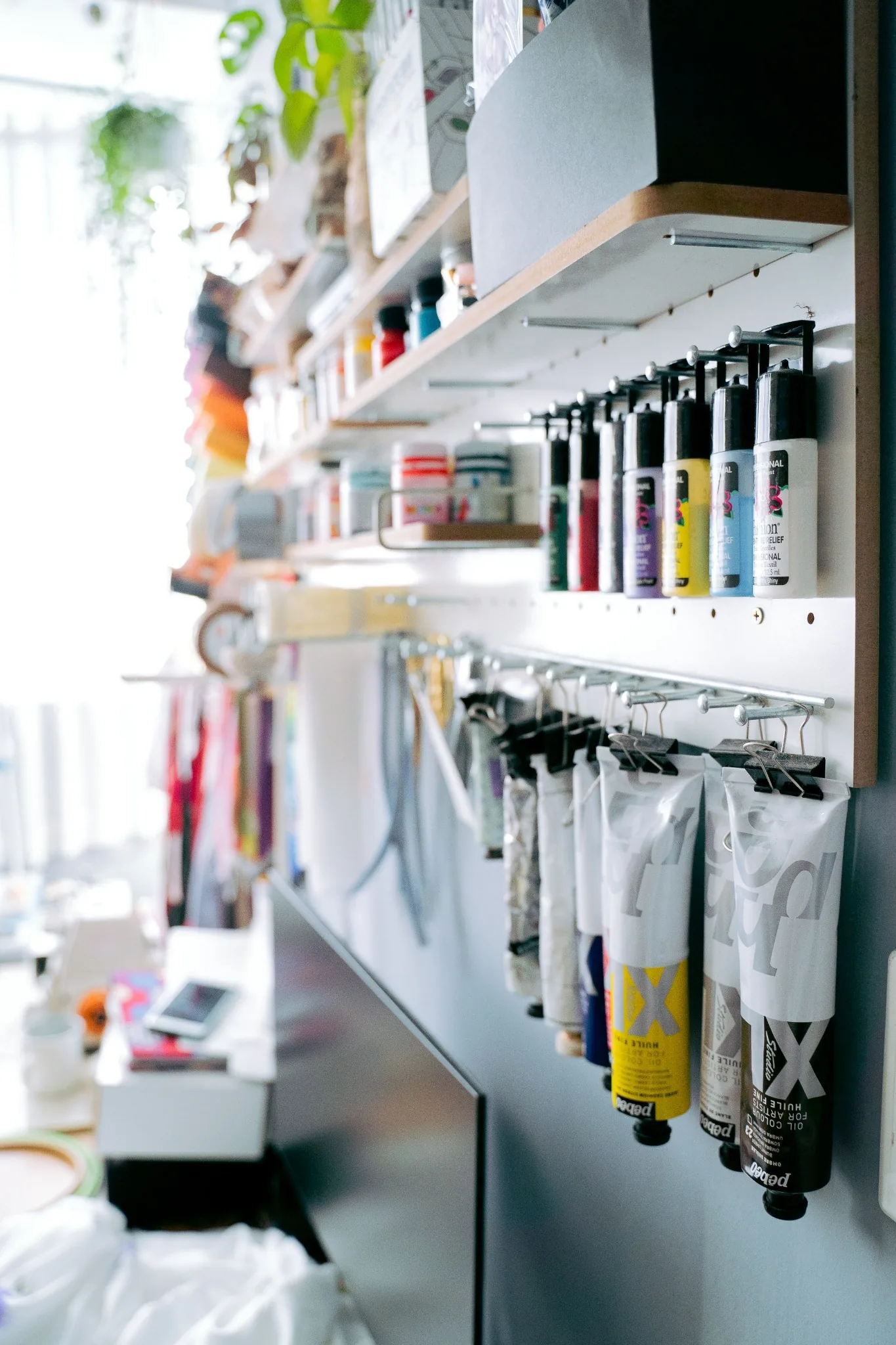
Storage can also add personality when you choose containers that complement your supplies. Clear jars let colorful buttons, ribbon, and beads become part of the decor, while open baskets keep yarn and folded fabric within easy reach. Their soft textures add warmth to shelves, and you can quickly see when a favorite material needs replenishing.
Combining open baskets, clear jars, drawers, and closed storage lets you keep useful materials accessible without putting every item you own on display.
Labels can help, too, especially with supplies you don’t use every day. You don’t necessarily need to label every jar and basket in sight, but identifying less obvious storage makes it much easier to find what you need when you return to a project you haven’t worked on for a while.
Add Lighting That Supports Your Eyesight
Good lighting helps you see fine details clearly, judge colors accurately, and work more comfortably. The American Optometric Association recommends using proper workspace lighting and adjustable task lighting to help reduce eyestrain.
Using a combination of natural, task, and ambient lighting can create a comfortably illuminated space during both daytime and evening crafting sessions.
- Make use of natural light. If possible, position your worktable where daylight can reach the project without your hands or tools constantly casting shadows. If direct sunlight causes glare, sheer curtains can help soften it.
- Add an adjustable task lamp. Choose a lamp that lets you direct light toward detailed work such as stitching, painting, or paper cutting. Position it on the opposite side from your dominant hand when possible so your arm doesn’t block the light.
- Check colors under more than one light source. Very warm bulbs can make whites and cool colors appear more yellow, while very cool lighting can make colors look different from how they appear in natural light. Good color rendering is especially useful when you’re matching paint, thread, paper, or fabric.
- Reduce deep shadows around your workspace. If one lamp leaves part of the project in darkness, add another source of light nearby. More balanced lighting means your eyes don’t have to keep adjusting between very bright and dim areas.
- Use softer ambient lighting for comfort. A ceiling fixture or floor lamp can brighten the surrounding room without acting as a harsh spotlight. Keeping the area around your worktable comfortably lit can make the entire space feel more inviting.

Bring Cozy Details Into the Room
If you spend hours crafting, your room can offer more than simply a place to spread out supplies. Add a cushioned chair in one corner where you can flip through a pattern book, untangle yarn, plan your next project, or take a break while waiting for paint or glue to dry. If you’re keeping an eye on a little one while you craft, it can also give them a cozy place to sit nearby.
Soft textures are an easy way to make the room feel warmer. A rug can add comfort underfoot, curtains can soften the room, and a few plants can bring in color and life.
Choose those comfort pieces with the realities of crafting in mind, especially if your favorite projects involve paint, glue, fabric scraps, or glitter that somehow travels everywhere. Washable chair covers, easy-to-clean rugs, and practical window treatments let the room feel relaxed and welcoming without making you nervous about actually using it.
You can bring in other small comforts, too. A favorite mug, a soft throw over the back of a chair, a speaker for music or audiobooks, or a pretty container for everyday tools can help the room feel like your space rather than simply a storage area for craft supplies.

Display Projects With a Personal Story
Finished crafts don’t always have to disappear into drawers once the project ends. Displaying a few favorites turns the room into a record of what you’ve enjoyed making and the people you’ve created with or for.
An embroidery piece displayed in a frame made from a custom picture frame material, a handmade quilt, or a grandchild’s drawing can bring back a memory every time you sit down to create something new.
Try not to feel as though everything you make needs to be displayed at once. Rotating projects gives individual pieces more room to stand out and lets the room change with your creativity and the seasons.
You might even reserve one small shelf, picture ledge, or section of wall specifically for changing displays. As new projects become favorites, you can swap them in without having to rethink the entire room.
Make Inspiration Part of the Decor
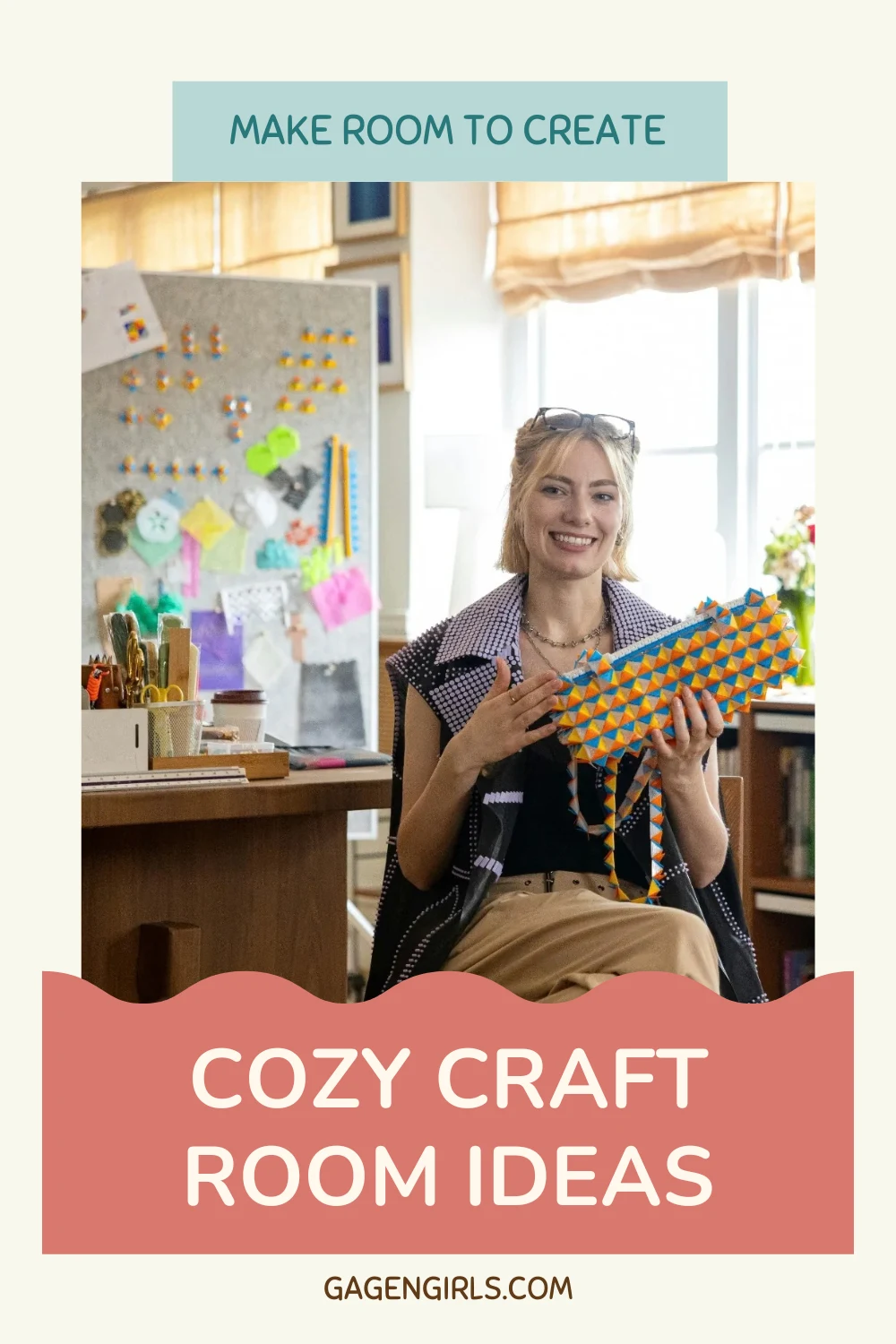
Inspiration boards work best when they feature things you genuinely want to revisit rather than becoming another place to collect clutter. Fabric swatches, sketches, color palettes, photographs, patterns, or ideas connected to current projects can all earn a spot.
Personal photographs can be inspiring, too. A family picture, a photo from a favorite trip, or an image connected to a special memory might spark a color combination, theme, or completely unexpected project idea.
Leave some open space around the pieces you display so individual details can stand out. You can also add dimension with meaningful objects on nearby shelves, such as a handmade pottery piece, vintage sewing tin, old buttons, or a small sculpture.
The goal isn’t to fill every available wall and shelf. A little breathing room can make the pieces you do choose feel much more intentional.
Make It Easy to Start Creating
One of the best things you can do for a craft room is remove as many little barriers to creativity as possible. If you only have 20 or 30 minutes available, you probably don’t want to spend half of that time gathering supplies and setting up your workspace.
Keep your most frequently used basics together and ready to go. Depending on your hobbies, that might mean scissors, adhesives, pencils, rulers, needles, basic thread colors, or your favorite brushes.
It can also help to have a designated place for works in progress. A basket, tray, project bag, or shallow bin can hold everything for one project so you can put it aside when necessary without completely packing it away.
When you have time to return, you can simply pick up where you left off.
Enjoy Your Creative Space
The best craft rooms aren’t perfect showrooms. They hold works in progress, well-used tools, experiments that didn’t quite turn out as planned, and reminders of people and projects you love. Most importantly, they make it easy to sit down with an idea and start creating without rearranging the entire room first.
As you make your craft room both cozy and functional, let practicality and personality develop together. Create storage around the supplies you really use, choose furniture and lighting that help you work comfortably, and make room for the little things that bring you joy.
A creative space that supports your habits and reflects the things you love to make will feel welcoming whenever your next project calls your name.
💌 Want easy recipes, fun crafts, and family-friendly ideas delivered right to your inbox? Join the Gagen Girls newsletter! You’ll get our latest posts, seasonal favorites, and exclusive freebies. Sign up today and never miss a thing!