10 Tips for Extending the Lifespan of Your Countertops
Kitchen countertops put up with a lot. Between hurried breakfasts, family dinners, school projects, holiday baking, and the occasional hot pan set down in the wrong spot, these surfaces work hard every day.
Replacing countertops can also turn into a much bigger project than you might expect. Keeping the surfaces you already have in good condition can save you unnecessary expense and disruption while helping your kitchen continue to look its best.
The good news is that protecting your countertops does not require a complicated routine. These simple tips can help you prevent avoidable damage and keep your counters looking good for years to come.
1. Learn What Your Countertops Need
Before reaching for a bottle of cleaner, make sure you know what type of countertop you have.
Granite, marble, quartz, laminate, solid surface, butcher block, and other materials can respond differently to cleaning products, moisture, heat, and abrasion. Something that works perfectly well on one surface may damage another.
If you still have the manufacturer’s care instructions, start there. If you moved into a home with existing countertops and aren’t sure what they are made from, identifying the material is worth the effort.

2. Wipe Up Spills as Soon as You Can
A splash of coffee during a hectic morning may not seem like a big deal, but leaving spills on the counter gives them more time to affect the surface.
Certain countertop materials can absorb liquids. Others may react to acidic foods such as lemon juice, tomato sauce, or vinegar. Even when a spill does not permanently stain the counter, dried food and sticky residue can require more scrubbing later.
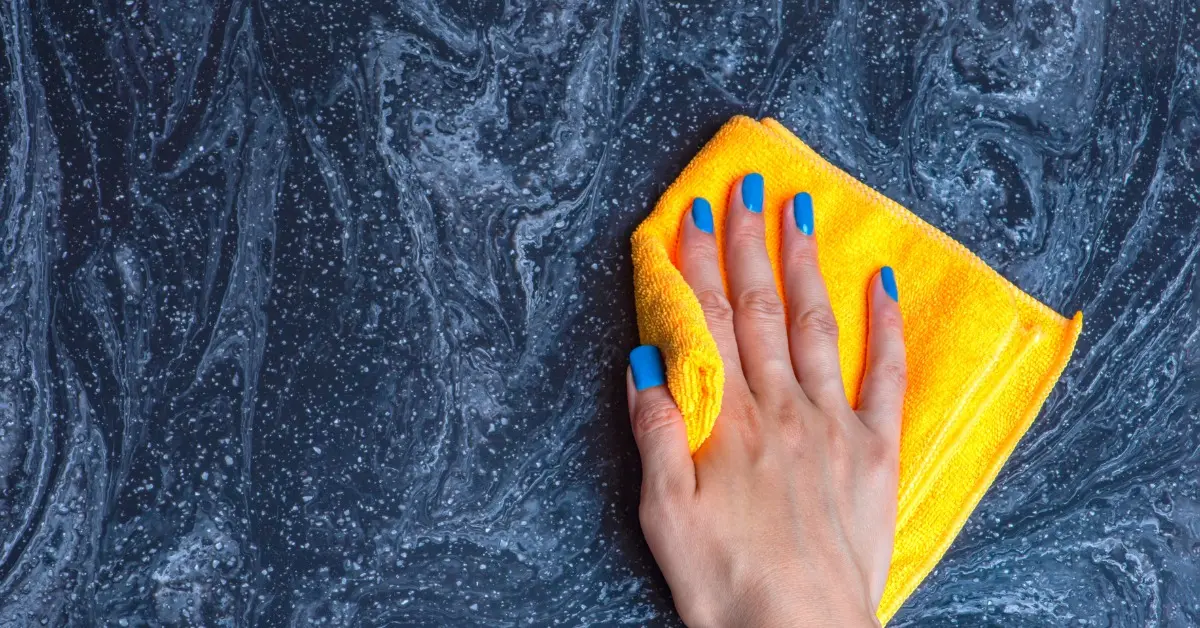
Keep a soft cloth within easy reach so cleaning up feels simple. You do not need to drop everything the second a spoonful of sauce lands on the counter, but wiping it away promptly can reduce unnecessary wear.
3. Use Cutting Boards Every Time
It can be tempting to slice one quick sandwich or chop a single tomato directly on the countertop. Make using a cutting board a habit anyway.
Knives can scratch or mark certain surfaces. Cutting directly on the counter can also dull your knives.
Keep a few cutting boards somewhere convenient instead of tucking them behind a stack of pans. A small board works well for quick jobs, while a larger one gives you plenty of room when preparing family meals.
4. Protect Counters From Hot Cookware
Countertops may look tough, but that does not mean they can safely handle a scorching casserole dish or skillet placed directly on them.
Heat can discolor, scorch, crack, or otherwise damage some countertop materials. Sudden temperature changes can create additional stress as well.
Trivets are an easy solution. Keep one close to the stove and another near the place where you usually set serving dishes. Silicone mats can also work well when several hot dishes come out of the oven at once.

5. Skip Abrasive Scrubbing
When dried food refuses to budge, aggressive scrubbing can feel like the fastest answer. Unfortunately, rough pads and abrasive cleaners may leave scratches or dull the finish.
Try softening stubborn residue first. Depending on the countertop manufacturer’s directions, a damp cloth and an appropriate cleaner may loosen the mess enough to wipe it away without a battle.
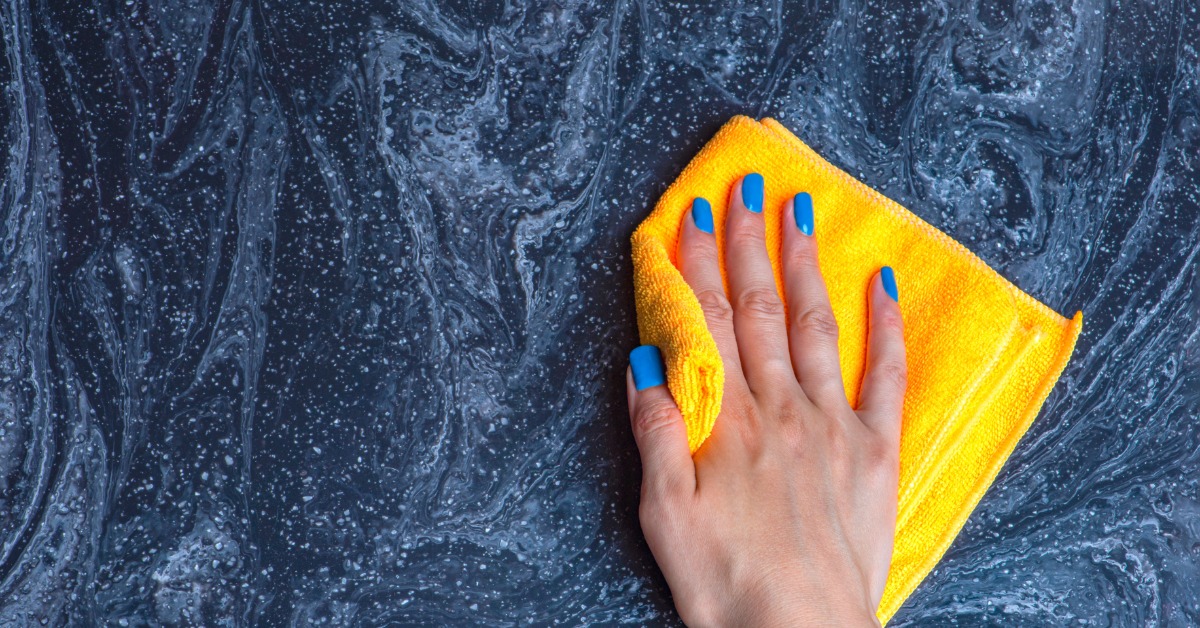
Use soft microfiber cloths, sponges, or other nonabrasive cleaning tools that are suitable for your particular surface. Keeping your microfiber towels free from lint will help them continue to clean effectively without leaving debris behind.
6. Be Careful With Strong Cleaning Products
More powerful does not automatically mean cleaner.
Bleach, highly acidic cleaners, strong alkaline products, and other harsh solutions can cause problems for certain countertop materials or finishes. The safest choice depends on the surface, so follow the manufacturer’s directions whenever possible.
You also do not need to turn routine countertop cleaning into a major production. For many surfaces, a gentle cleaner and soft cloth can handle ordinary crumbs, fingerprints, and cooking residue.
If you prefer making your own cleaning products, this simple DIY Castile soap cleaner may be suitable for some hard surfaces. Check your countertop manufacturer’s instructions before using it, particularly on natural stone, and test it in an inconspicuous area first.
7. Don’t Let Water Sit Around Sinks and Seams
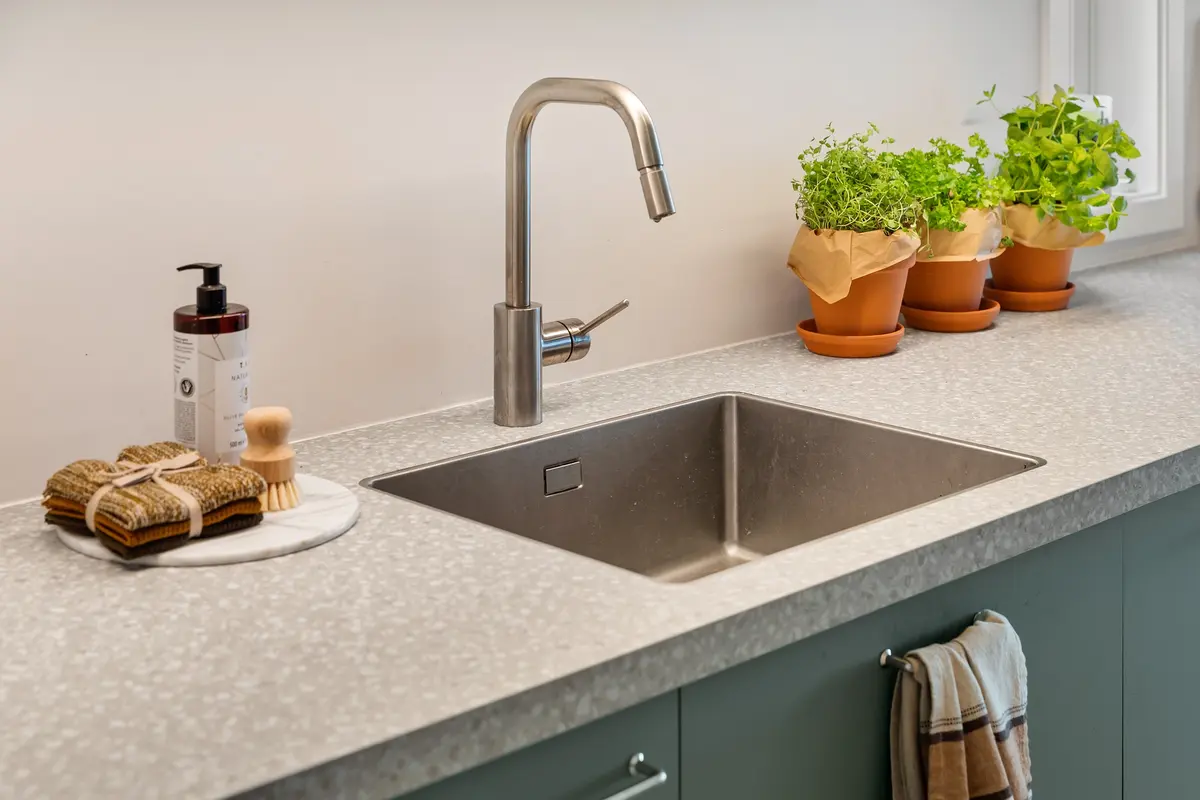
Water can collect behind faucets, underneath soap bottles, and around countertop seams. Depending on the countertop and its installation, frequent moisture exposure may contribute to staining, swelling, deterioration, or damage to nearby materials.
Give the area a quick wipe after washing dishes. Pick up soap dispensers and other items from time to time so you can clean and dry underneath them too.
Pay attention to caulk and seams while you are there. If something starts pulling away or allowing moisture to enter where it should not, dealing with it early can prevent a small maintenance issue from becoming a larger repair.
8. Give Heavy Appliances a Little Cushion
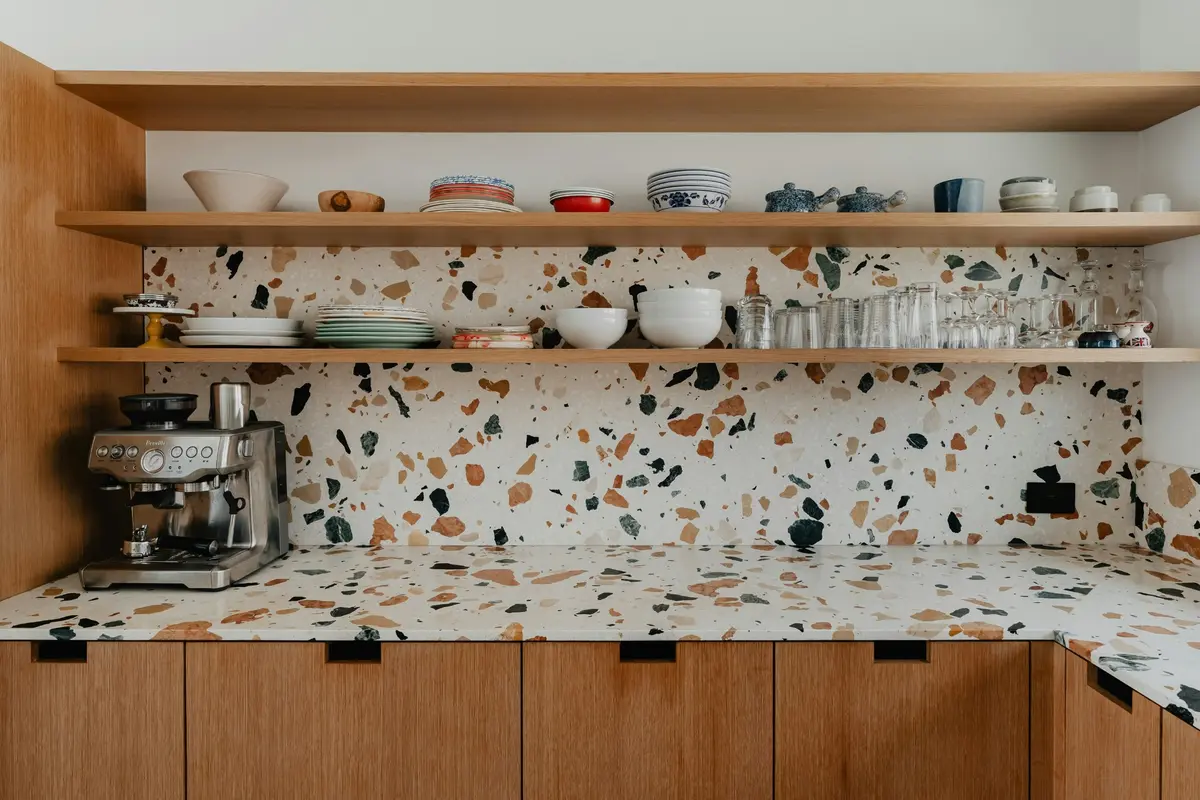
Stand mixers, air fryers, coffee makers, and slow cookers can earn permanent places on a busy family’s countertop. These appliances can also trap crumbs and grit underneath them.
Sliding a heavy appliance across trapped debris may scratch some surfaces.
Instead of dragging appliances, lift them whenever possible. Small appliance mats can make cleanup easier and provide a barrier between the appliance and the counter. Be sure any mat you use is suitable for both the appliance and your countertop material.
9. Address Chips, Cracks, and Dull Areas Promptly
Not every sign of wear means your countertops need to come out.
Small chips, scratches, dull spots, damaged seams, and other surface problems deserve attention before they become more difficult to correct. The right solution depends on both the material and the type of damage.
Stone countertops, for example, may still have plenty of useful life left even after the finish begins showing years of use. Refinishing extends a stone countertop’s lifespan by removing damage and making the surface easier to care for moving forward.
Cracks, movement, or significant damage deserve professional evaluation. Catching a problem early usually gives you more options when deciding what to do next.
10. Make Countertop Care Part of Your Routine
Countertop maintenance works best when it becomes part of normal kitchen life rather than another big chore on your list. Shake crumbs into the trash after dinner. Wipe down the counters while the coffee brews. Keep trivets and cutting boards where family members can easily find them.
If household upkeep tends to pile up, creating an organized home cleaning routine can help you divide larger jobs into smaller, more manageable tasks. Simple routines are much easier to maintain than an occasional marathon cleaning session.
It also helps to look closely at your countertops every few months. Check the busiest areas near the sink, stove, and food-preparation space. Watch for changes in the finish, loose seams, chips, or stains that were not there before.
A Little Care Can Add Up
Countertops are not invulnerable. A kitchen where children help bake cookies, grandchildren gather for snacks, or everyone piles in for Sunday dinner is bound to show some signs of real life.
That does not mean you have to accept preventable damage.
Using cutting boards, protecting surfaces from heat, choosing appropriate cleaners, and addressing problems while they are still manageable can all help your counters serve your family longer. Once these care tips become everyday habits, they require very little extra effort.
These simple tips can help you prevent avoidable damage, extend the lifespan of your countertops, and keep them looking good for years to come.
💌 Want easy recipes, fun crafts, and family-friendly ideas delivered right to your inbox? Join the Gagen Girls newsletter! You’ll get our latest posts, seasonal favorites, and exclusive freebies. Sign up today and never miss a thing!