DIY Mold Removal: What Works and What Doesn’t
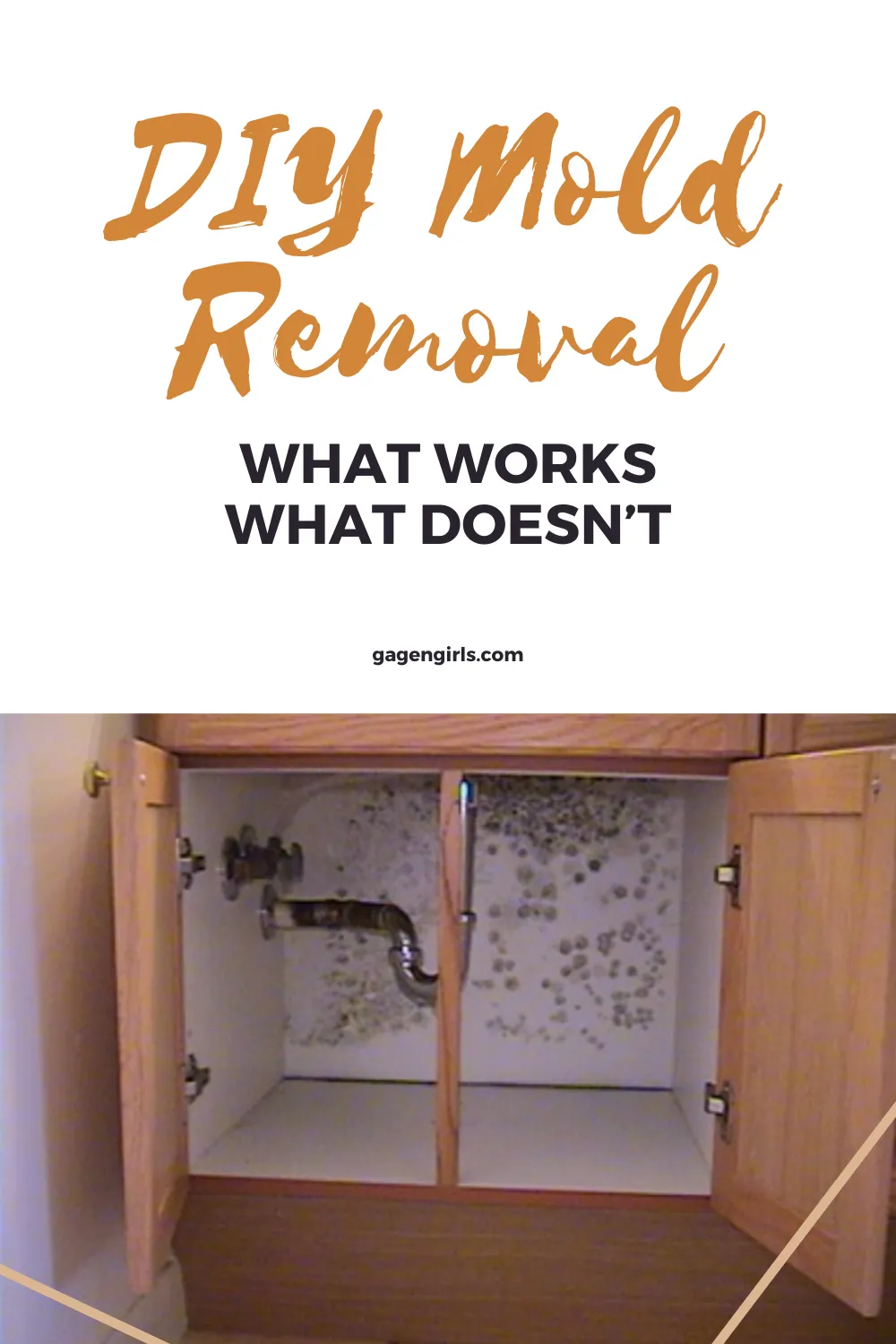
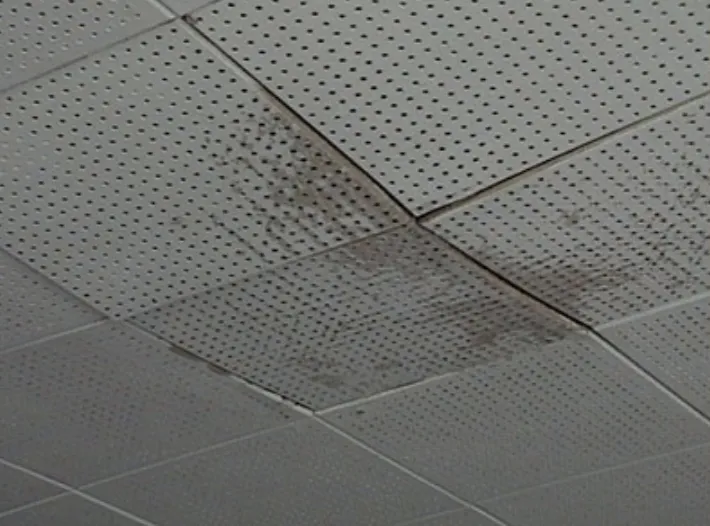
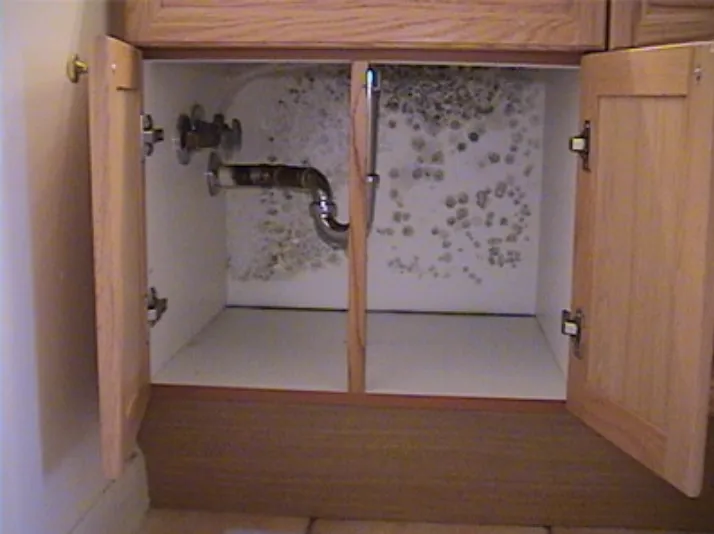
Nobody wants to discover mold lurking in their home, but here we are, staring at those gross black or green spots wondering what the heck to do next.
Before you panic or call in the expensive pros, let’s chat about what actually works when it comes to DIY mold removal and what’s just a waste of your time and money.

DIY Mold Removal: What Works and What Doesn’t
Safety When Removing Mold
Let’s start with safety. Bear in mind that there is risk involved in dealing with mold and if you decide to deal with it on your own, you are assuming that risk. Personally, I have taken care of small amounts of mold in my home, but if it’s anything other than a small outbreak, that’s when I would call in the experts.
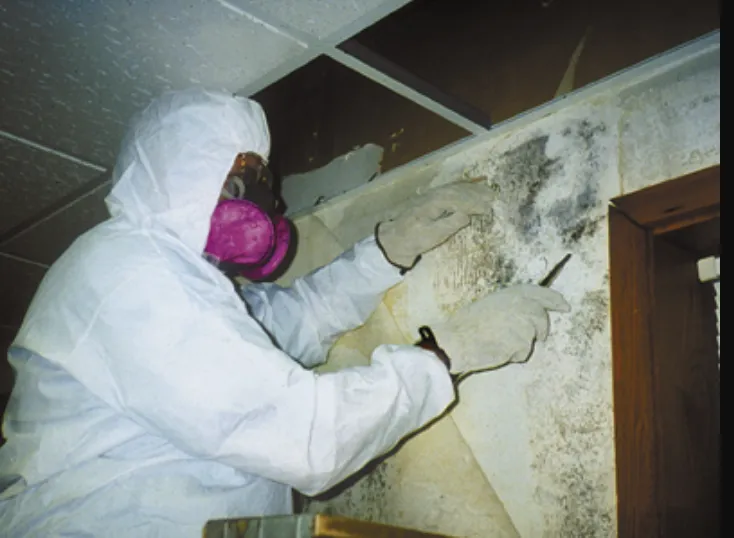
Before dealing with any mold in your home, it’s important that you protect yourself. According to Health Canada, Wearing a N95 mask, safety goggles, and gloves is very important. Personally, I would put on a full safety suit because I have allergies and asthma and I don’t want any of the mold getting into my clothing.
What Works
What hacks effectively mitigate minor mold concerns? White vinegar and hydrogen peroxide get the job done.
White Vinegar
Seriously, this stuff is magic. White vinegar kills about 82 percent of mold species, making it one of your strongest allies in this fight. Pour some undiluted white vinegar into a spray bottle, spritz the moldy area, and let it sit for at least an hour. After that, scrub with a brush and wipe clean with water.
Now, you can’t effectively mitigate a serious mold problem with vinegar, but you can kick a budding infestation to the curb.
Hydrogen Peroxide
This bathroom cabinet staple packs a punch against mold. The 3 percent solution you probably already have works perfectly. Additionally, hydrogen peroxide has antifungal, antiviral, and antibacterial properties—basically, it’s the triple threat you need.
However, it’s not completely effective on porous surfaces, such as drywall. And again, if you have a serious mold infestation, this home remedy won’t cut it.
What Doesn’t Work
You now know what works when it comes to DIY mold removal (at least for minor infestations), but what doesn’t do a good job?

Bleach
Bleach does kill some mold, but it’s not effective on porous surfaces, and it mostly removes the color of mold, not its potency. It doesn’t actually kill the roots. Moreover, bleach creates toxic fumes that nobody needs to breathe in. Save yourself the headache—literally.
Essential Oils
Tea tree oil and other essential oils smell amazing and have antifungal properties, but they’re not powerful enough to handle mold problems. Enjoy them for the aromatherapy, but address mold with more effective methods.

💌 Want easy recipes, fun crafts, and family-friendly ideas delivered right to your inbox? Join the Gagen Girls newsletter! You’ll get our latest posts, seasonal favorites, and exclusive freebies. Sign up today and never miss a thing!
Smart Prevention Tips That Matter
In the end, prevention beats cleanup every single time. Here’s what you need to focus on:
- Keep humidity levels between 30–50 percent using a dehumidifier.
- Fix leaks immediately (seriously, don’t procrastinate on this one).
- Improve ventilation in bathrooms, kitchens, and basements.
- Regularly service your HVAC unit (especially the filters).
Per the last point, HVAC servicing changes depending on the type of system you have. For example, addressing mold in a mini-split looks different than it does for a ducted system. The easiest way to tackle this maintenance is by hiring a professional who knows how to mitigate mold in whatever HVAC system you have.
Take Action Before It Gets Worse
Ultimately, mold doesn’t take a break, and neither should you. Clean regularly, keep things dry, and trust your instincts—if something looks or smells funky, deal with it right away.