Treating Seasonal Allergies
Seasonal allergies have a way of sneaking up on you. One day you’re enjoying the sunshine, and the next you’re dealing with itchy eyes, constant sneezing, and wondering why spring suddenly feels like a struggle.
It seems like every year my seasonal allergies get worse. And when my current strategies don’t seem to be handling the increase in symptoms, I go searching for new ways of treating my seasonal allergies.
If you’ve ever felt like your usual allergy routine just isn’t cutting it anymore, you’re not alone. It often takes a mix of small changes – not just one quick fix – to really make a difference.
Treating Seasonal Allergies
In this post, I’m sharing the tips that have helped me the most as someone who deals with seasonal allergies every year. Some were recommended by doctors, others I’ve picked up from fellow allergy sufferers, and all of them are things you can try and adapt to your own routine.
As always, be sure to check with your doctor before starting any new medications or supplements, especially if you have existing health conditions.
Protect Yourself Outdoors
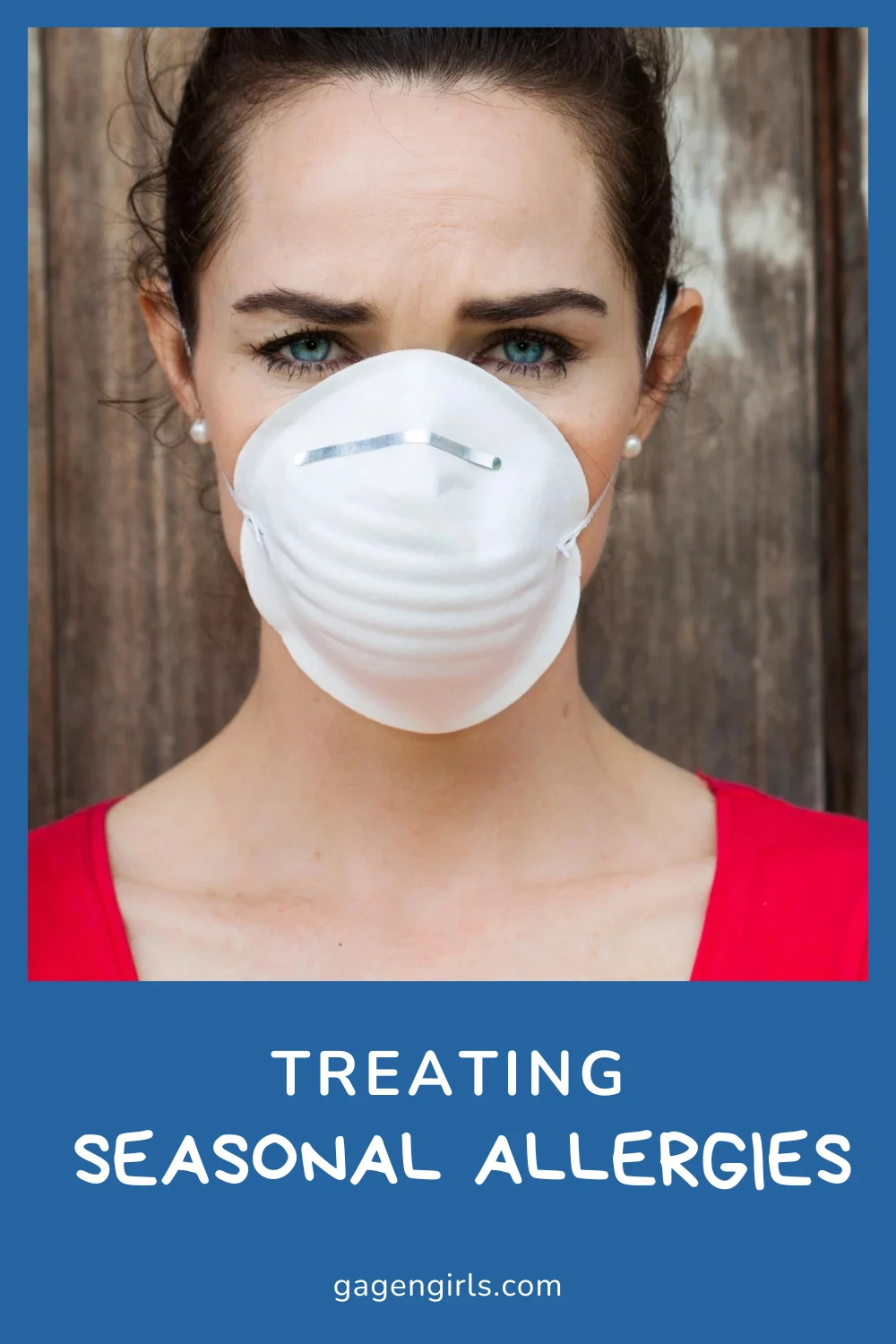
Of course, this helps protect you and others from certain viruses such as the flu and Covid, but it can also help protect you from pollen. Wear it when going outside to act as a barrier to those pollen particles and help minimize allergy and asthma symptoms.
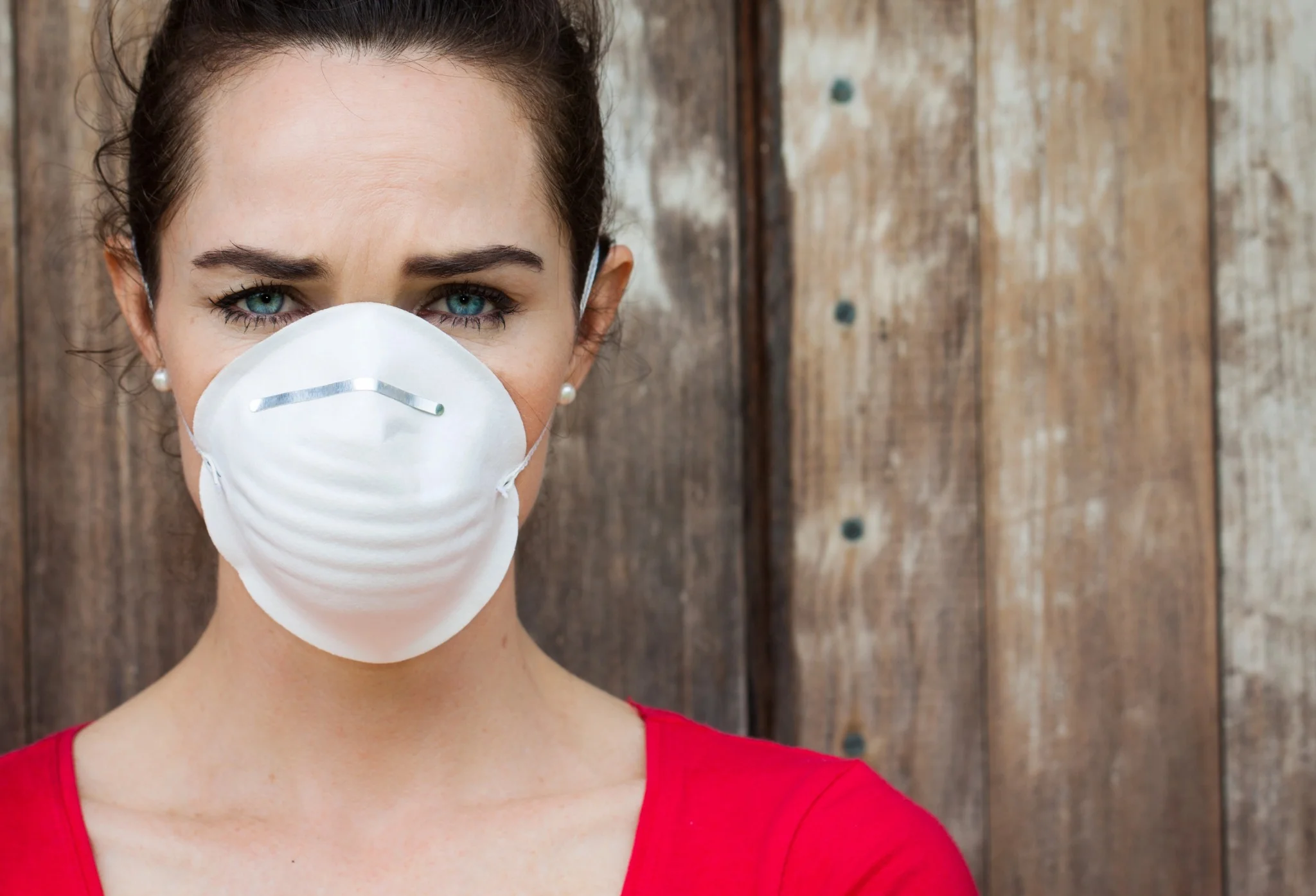
Did you know?: Wearing sunglasses can help protect your eyes from the pollen too!
Support Your Body Naturally
In some studies, vitamin C has been shown to help prevent the development of histamine. Antihistamines work by intercepting and interfering with histamine that has been produced, but it is suggested that vitamin C can prevent it from forming in the first place.
For the greatest effect, it’s best to take vitamin C with bioflavonoids.
Quercetin is derived from onions and certain fruits and has been shown to function as a natural antihistamine. For best results, take it with vitamin C with bioflavonoids. In fact, you can find supplements that contain all 3 in one capsule.
This can really help with itchiness, watery eyes, hay fever, and asthma. It can help prevent histamine release and help break it down faster as well.
You can also use a neti pot or nasal rinse.
I like to use mine first thing in the morning to deal with my post-nasal drip that occurs during the night. It’s also great to use at night to irrigate your nose and nasal cavity and help rinse away pollen. It’s important to use a nasal rinse after coming in from spending time outside too!
I use Hydrasense and it says you can use it up to 6 times a day when you have a cold or other virus causing nasal congestion or when your allergies are particularly bad. I was surprised by just how much this helps me with my seasonal allergies!
Keep Allergens Out of Your Home
I know, this isn’t a fun choice when it’s a beautiful sunny day outside. But when the pollen counts are high, particularly for the most problematic ones for you (I’m talking to you poplar trees), it’s best to stay inside and close all the windows.
It’s especially important to keep the windows closed at night when you’re breathing more deeply.
You might love the smell of clothes fresh from the clothesline, but when you bring them back into the house, they will be covered with pollen. In fact, if you spend some time hanging out outside, especially on a high pollen day, you should remove your clothes right away and take a shower.
Remove your shoes at the door to avoid tracking pollen and allergens through your house.
Keep an allergy journal.
From here, you can track which days your symptoms are the highest and which pollen counts are showing up on the report. You might start to see some patterns and connections for your seasonal allergies that can be helpful to show your allergy specialist and for planning your days.
If you know it’s a bad day for something you’re particularly susceptible to, plan to stay inside. Or at the very least, avoid being outside in mid to late morning when the counts are the highest. Move things to the early evening when you can – this is when the pollen counts are lowest.
If you are heading out, make sure you’ve taken your allergy medications at least half an hour before going out. It’s best to have the meds in your system prior to encountering the pollen so you can limit your body’s response to it.
If possible, start taking your allergy meds early in the season when pollen levels are lower. In this way, it may be possible to lessen your symptoms later in the season when pollen has increased.
Create an Allergy-Friendly Bedroom
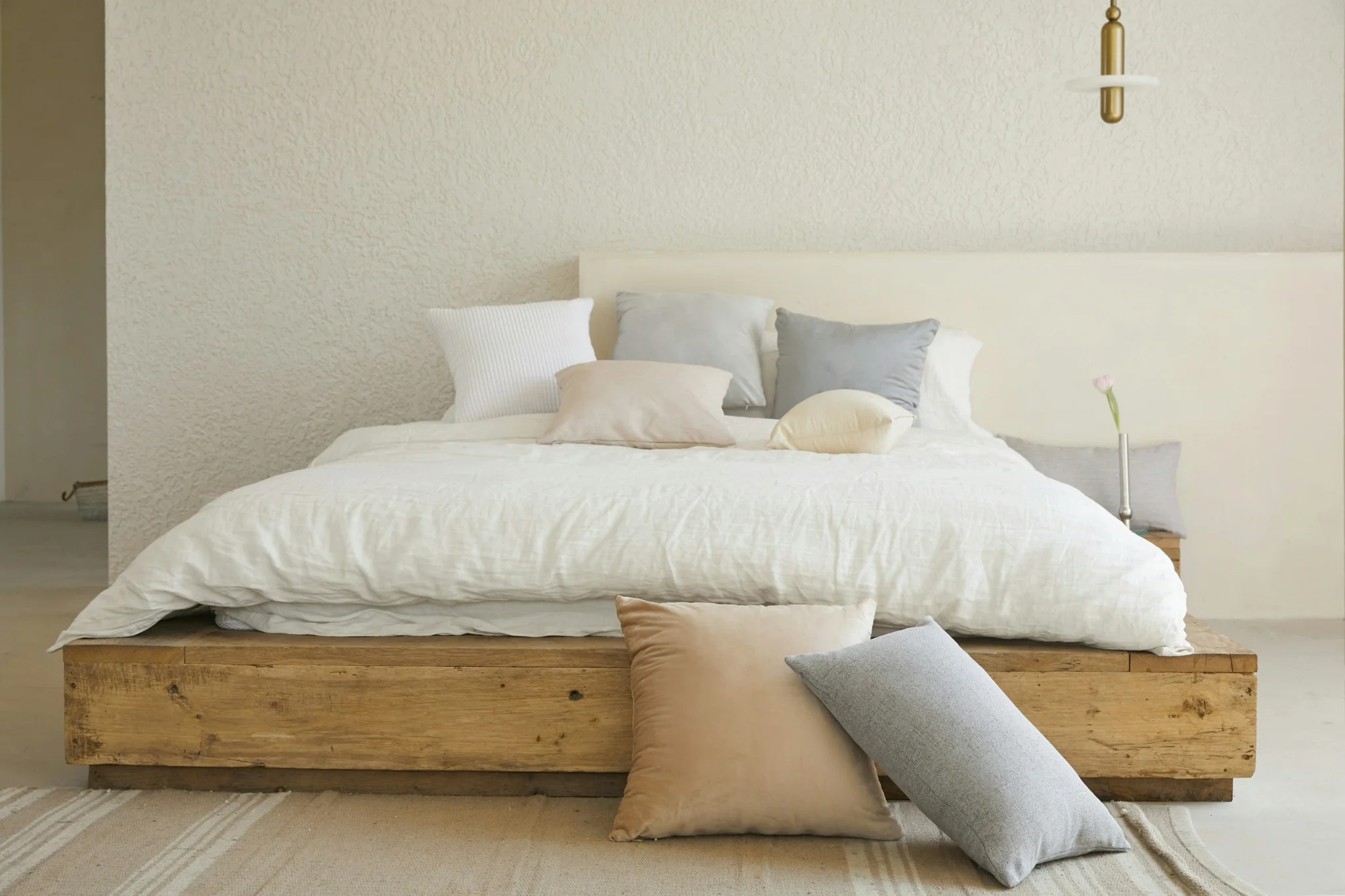
Look for bedding that is certified hypoallergenic. It’s best to use foam or polyester pillows and to avoid feather pillows.
Use pillow protectors and a mattress protector. Change your bed linens often. Wash them at least once a week in hot water to kill dust mites. Dry on high.
If you can, take a shower before bed and wash your hair to remove allergens, especially if you’ve been outside.
Vacuum your mattress and boxspring weekly. Wear a mask while doing so.
If you have problems with post-nasal drip, try raising your mattress a bit so your head is slightly elevated.
Talk to your doctor.
Not only can allergy shots help prevent or lessen reactions to allergens, but they can reduce your health costs by as much as 50%!
Your doctor may come up with a different medication plan for you but here’s what mine suggests for me:
- If my main symptoms are runny/itchy nose and sneezing, he says I should use a nasal spray.
- For itchy red eyes as my main complaint, he told me to use allergy formula eye drops.
- If my biggest complaint is nasal symptoms and a tickle in my throat, he suggests oral antihistamines.
- For nasal congestion, he recommends a decongestant/antihistamine combination.
It’s really important to speak to your doctor about these ideas. Some of these cannot be used together! Since I get all of these symptoms in various degrees depending on the day and the allergen, my doctor gave me a specific plan of which one to use when and how much time I need between them.
💌 Want easy recipes, fun crafts, and family-friendly ideas delivered right to your inbox? Join the Gagen Girls newsletter! You’ll get our latest posts, seasonal favorites, and exclusive freebies. Sign up today and never miss a thing!
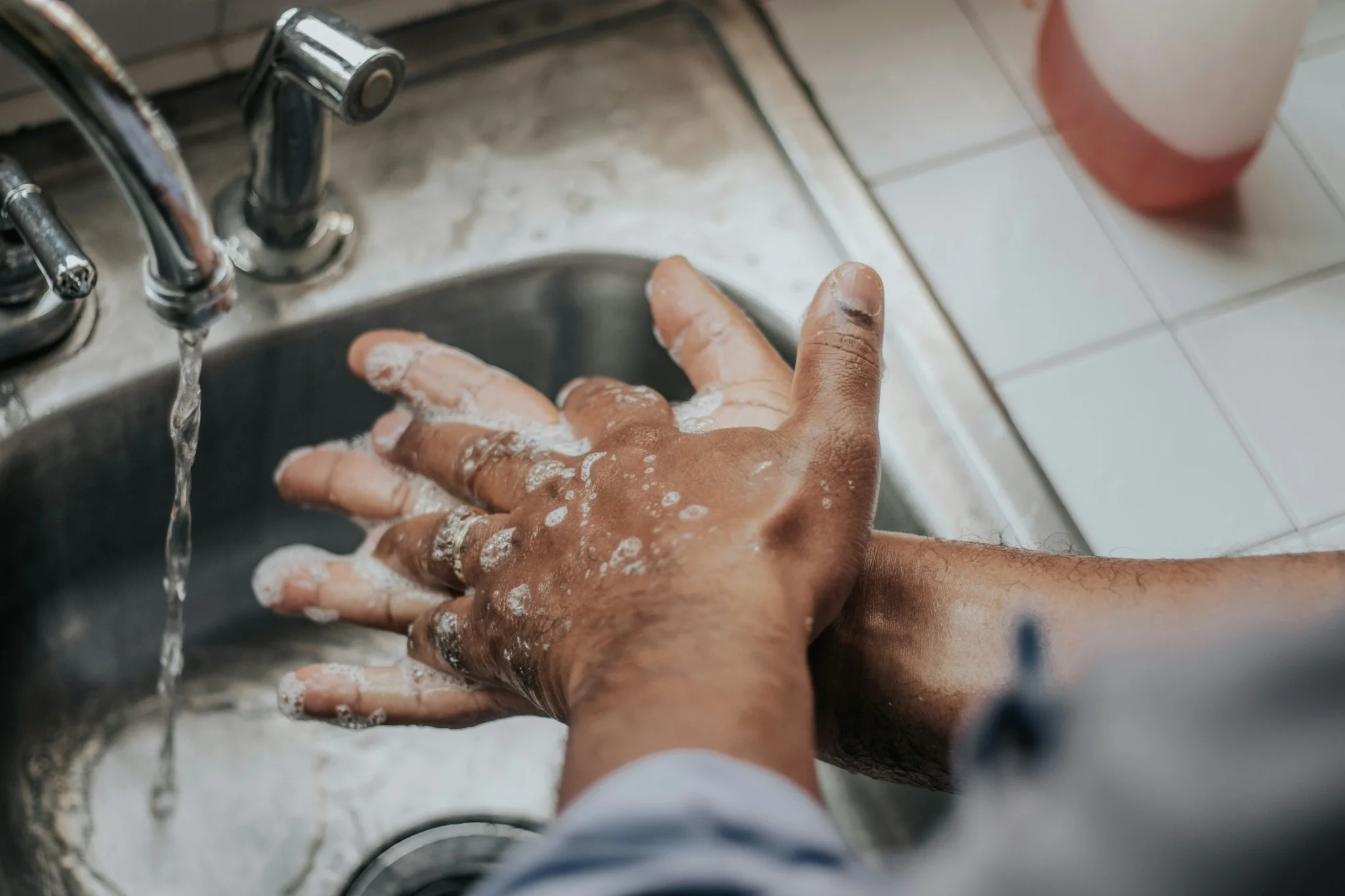
Avoid hand sanitizers and antibacterial soaps WHEN POSSIBLE.
When you’re at home with just your own family around, plain old ordinary soap works really well at getting rid of the germs if you wash your hands properly.
Unfortunately, doctors have seen a great increase in allergies in the past 30 years and many studies have tied them to the use of hand sanitizers and antibacterial soaps.
There are times when it’s more important to use these and protect ourselves from serious illnesses, but some have become reliant on using them all the time. When you can cut back, it may help.

Keep pets out of the bedroom
Honesty time. I didn’t stick to this one. I loved sleeping with my dog and I wouldn’t have stopped for anything.
But even if you’re not allergic to them, during allergy season, pets that go outside will pick up pollen in their fur and bring it in with them. Since you breathe deeper in your sleep, you will inhale more pollen.
Even if you don’t sleep with your pets, the best thing you can do is to put on a mask and use a damp cloth to wipe them down each time they come in to try to reduce some of that pollen.
Wash your pets weekly (take them to a professional to have it done if you can) to reduce the dander they carry and use an anti-dander spray on them. Speak to your veterinarian for recommendations.
Be sure to clean any surfaces your pets come into contact with well frequently and be sure to wash your hands after touching your pet.
Speaking of pets, it’s best not to have pet birds in your home. They are known to make breathing problems worse.
Improve the air quality in your home.
Replace your air conditioner and furnace filters. Buy some high-efficiency ones with a MERV rating of 11-12. Be sure to change them regularly (every 2-3 months).
Place cheesecloth over your vents to trap dust and allergens and change it every 2-3 months. Wear a mask or get someone else to change them for you if you can.
Purchase some HEPA filters for your home. Run them often (we keep ours running 24/7!). Be sure to change the filters as needed. They can help improve the overall air quality in your home and can help reduce pollen, pollutants, and virus germs.
Use exhaust fans in your kitchen and bathrooms to help reduce the spread of irritants and the development of mold. Avoid the use of products with irritants such as tobacco smoke, perfumes, especially aromatic flowers, incense, essential oils, paint fumes, and chalk dust.
On days with low pollen and low humidity, air out your home. Open the windows and let some of the stale air out.
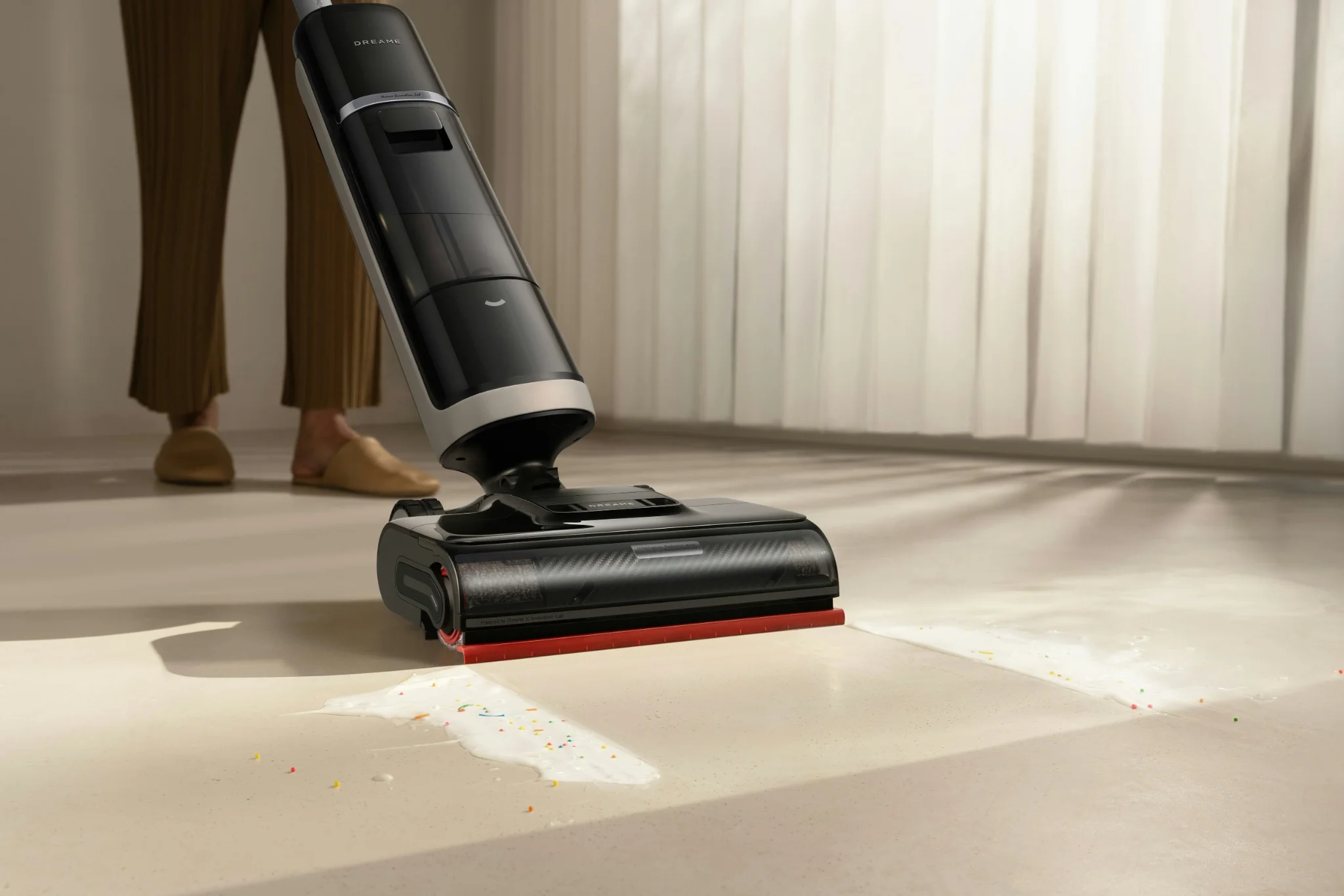
Cleaning and Air Quality Tips
- Use a vacuum with a HEPA filter and bags that seal in the dust.
- Wear a mask while cleaning.
- Do a thorough housecleaning weekly using equipment that traps the dust, not the kind that spreads it and releases it in the air. For example, a damp cloth can be very helpful in trapping dust on hard surfaces, but many feather-type dusters merely remove it from the furniture and into the air.
- If you can, hire someone else to do the cleaning. Wear a mask while they clean or leave the house if possible.
- When possible, hire someone or delegate grass cutting to someone else. If you must cut the grass yourself, it’s really important to wear a mask and to take a shower as soon as you come back inside.
- It’s best to remove the carpeting from your home. They trap dust and moisture in them. If they can’t be removed, they must be vacuumed at least once a week (while wearing a mask).
- Try to avoid dust collectors like books, knickknacks, and so on. Cut back on them where possible.
- Be sure to clean your fridge drip pan every few months to avoid the development of mold.
Dehumidify your home.
Purchase a dehumidifier. Mites like humidity levels above 50%.
Other important tips
- Use throat lozenges to ease the scratchy feeling caused by post-nasal drip and coughing.
- Be sure you’re well-stocked with tissues and carry some with you wherever you go. I try to use washable handkerchieves most of the time, but during allergy season, I find it better to use disposable tissues so I can get the pollen out of my house quickly and easily. I keep my trash bag tied shut in between uses so the pollen is somewhat contained within.
Managing seasonal allergies can feel overwhelming, especially when there are so many different triggers and symptoms to deal with. But the good news is—you don’t have to do everything all at once.
Start small. Pick one or two strategies that feel doable for you right now and build from there. Over time, those small changes can add up to a noticeable difference in how you feel day to day.
If you’re not sure where to begin, I suggest you start with wearing a mask outdoors, keeping windows closed on high pollen days, and rinsing your nasal passages because those three alone can make a big difference.
And most importantly, give yourself some grace. Allergy season can be tough, but with the right tools and a little trial and error, you can find a routine that helps you enjoy the season again—fresh air, sunshine, and all.
You might also enjoy this post: Everyday Factors That May Be Impacting Your Health